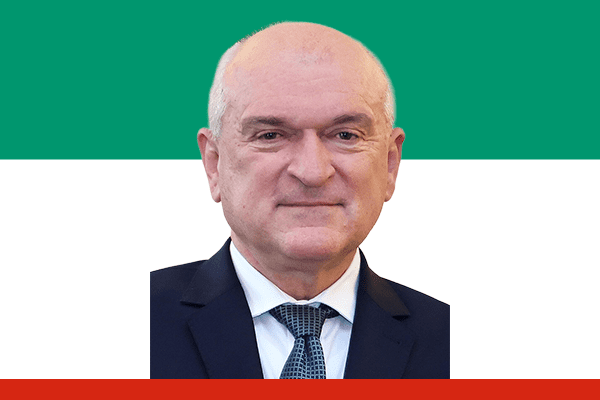
Early Life and Education
Dimitar Borisov Glavchev was born on August 15, 1963, in Sofia, Bulgaria. He completed his education in economics and finance, which later became the foundation of his professional and political career. During his early years, he developed strong analytical and organizational skills that helped him succeed in public administration.
Before entering politics, he worked in financial management and accounting. His professional background gave him practical knowledge of economic policies, budgeting, and administration. These experiences prepared him for leadership roles in the Bulgarian government.
Entry into Politics
Dimitar Glavchev joined active politics through the political party GERB (Citizens for European Development of Bulgaria). The party became one of Bulgaria’s leading political organizations, and Glavchev quickly established himself as a disciplined and reliable politician.
He entered the Bulgarian National Assembly as a member of parliament and earned respect for his work ethic and parliamentary knowledge. Instead of remaining a passive participant, he actively contributed to legislative discussions and government policies. His expertise in finance and administration strengthened his influence within the parliament.
Parliamentary Leadership
Glavchev gained national attention when he became Deputy Chairperson and later Chairperson of the National Assembly of Bulgaria. As Speaker of Parliament, he managed parliamentary debates, maintained order during sessions, and supervised legislative procedures.
His leadership style emphasized discipline and efficiency. He encouraged lawmakers to focus on national priorities and constructive discussions. During his tenure, he worked to improve parliamentary functioning and ensure smoother communication among political groups.
Although political tensions occasionally created challenges, Glavchev handled difficult situations with determination. He maintained his commitment to parliamentary rules and democratic procedures while balancing the interests of different political parties.
Contribution to Public Administration
Apart from his parliamentary role, Dimitar Glavchev contributed significantly to Bulgaria’s public administration system. He supported reforms aimed at improving transparency, accountability, and financial management within government institutions.
His financial expertise allowed him to participate in discussions about economic stability and state budgeting. He consistently advocated responsible governance and efficient use of public resources. By promoting accountability, he strengthened public trust in administrative institutions.
Interim Prime Minister Role
Dimitar Glavchev also gained attention when he took on the responsibility of leading Bulgaria during a politically sensitive period. As interim prime minister, he focused on maintaining stability and ensuring the proper functioning of government institutions.
He prioritized administrative continuity, democratic processes, and fair governance. Instead of pursuing divisive politics, he concentrated on maintaining order and supporting the country during the transitional phase. His calm and practical leadership helped Bulgaria manage political uncertainty effectively.
Leadership Style and Public Image
Dimitar Glavchev is widely recognized for his disciplined personality and professional approach. He prefers structured administration and careful decision-making. His supporters appreciate his dedication to institutional stability and parliamentary order.
Although critics have occasionally questioned some of his political decisions, he has remained committed to democratic principles and public service. His ability to handle complex political situations demonstrates his administrative experience and leadership capabilities.
Legacy and Importance
Dimitar Glavchev has built a reputation as an experienced Bulgarian statesman who values discipline, governance, and national stability. Through his parliamentary leadership and administrative service, he has contributed to Bulgaria’s democratic institutions and political development.
His career reflects the importance of professionalism and accountability in politics. By actively participating in governance and reform efforts, he has left a lasting impact on Bulgaria’s political system.
Conclusion
Dimitar Glavchev continues to hold an important place in Bulgarian politics. His experience in parliament, finance, and administration has shaped his leadership style and strengthened his public image. Through active service and commitment to democratic governance, he has contributed significantly to Bulgaria’s political and administrative progress.