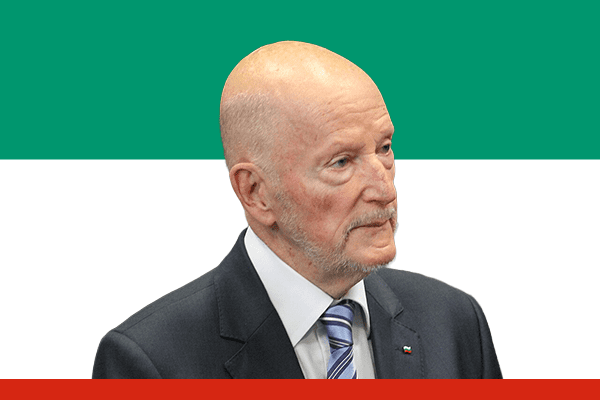
Early Life and Royal Background
Simeon Sakskoburggotski was born on June 16, 1937, in Sofia, Bulgaria. He was the son of King Boris III and Queen Giovanna of Bulgaria. After the death of his father in 1943, Simeon became King of Bulgaria at the age of six. Because he was still a child, a regency council governed the country in his name.
Political changes after World War II dramatically altered Bulgaria’s future. In 1946, the monarchy ended after a national referendum, and the royal family left the country. Simeon and his family moved into exile, spending many years in Egypt and later in Spain. Despite living away from Bulgaria, he preserved his connection with Bulgarian culture and history.
Education and Professional Career
While living in exile, Simeon received an excellent education. He studied at prestigious institutions and developed strong knowledge in law, political science, and business management. He later built a successful career in the business world, working as an international consultant and entrepreneur.
His professional experience helped him understand global economics and diplomacy. These skills later became valuable during his political career in Bulgaria. Rather than remaining only a symbolic royal figure, he actively prepared himself for leadership and public service.
Return to Bulgaria
After the fall of communism in Eastern Europe, Bulgaria transitioned toward democracy. Simeon returned to Bulgaria in the 1990s after decades in exile. Many Bulgarians welcomed him warmly because they viewed him as a symbol of national unity and historical continuity.
In 2001, he founded the National Movement Simeon II, a political party that promised economic reforms, anti-corruption measures, and improved living standards. His message attracted widespread public support, especially from citizens who wanted political change and economic progress.
Prime Minister of Bulgaria
Simeon Sakskoburggotski became Prime Minister of Bulgaria in 2001 after his party won the parliamentary elections. His election marked a historic moment because he became one of the few former monarchs in modern history to return to power through democratic elections.
As Prime Minister, he focused on strengthening Bulgaria’s economy and improving international relations. His government encouraged foreign investment, promoted economic modernization, and introduced reforms in public administration. Under his leadership, Bulgaria advanced toward membership in the European Union and the North Atlantic Treaty Organization (NATO).
He worked closely with international leaders and promoted Bulgaria as a stable democratic nation. His leadership helped improve Bulgaria’s global image and economic opportunities.
Achievements and Challenges
Simeon’s government achieved several important goals, including economic growth and stronger ties with Western institutions. Bulgaria officially joined NATO in 2004 during his leadership, which increased the country’s international security and cooperation.
However, his administration also faced criticism. Some citizens believed that economic reforms progressed too slowly, while others expected faster improvements in employment and living standards. Political opponents questioned certain government decisions and policies. Despite these challenges, Simeon maintained a calm and diplomatic leadership style.
Legacy and Historical Importance
Simeon Sakskoburggotski holds a unique place in Bulgarian and European history. He experienced life as both a monarch and a democratic political leader. His return to Bulgaria demonstrated his dedication to serving the country despite years of exile.
He contributed to Bulgaria’s democratic development and international integration. His leadership during an important transitional period helped prepare Bulgaria for membership in major international organizations. Many historians view him as a symbol of reconciliation between Bulgaria’s royal past and democratic future.
Conclusion
Simeon Sakskoburggotski remains an influential figure in Bulgarian history. From child king to Prime Minister, his life reflects resilience, adaptability, and commitment to public service. Through active leadership and diplomatic efforts, he helped Bulgaria strengthen its democratic institutions and global partnerships.