PRESIDENTS OF BULGARIA
Presidents of Bulgaria
Bulgaria is a parliamentary republic located in Southeast Europe. The President of Bulgaria serves as the head of state and represents the unity of the nation. Although the Prime Minister leads the government, the president plays an important role in foreign policy, national security, and constitutional matters. Since the fall of communism in 1989, Bulgaria has elected several presidents who helped guide the country through democratic reforms, European integration, and economic development.
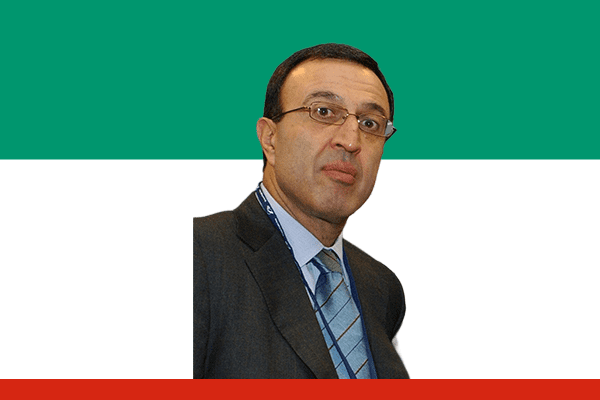
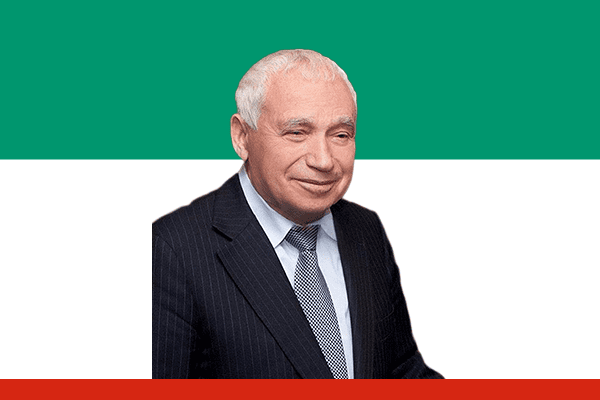
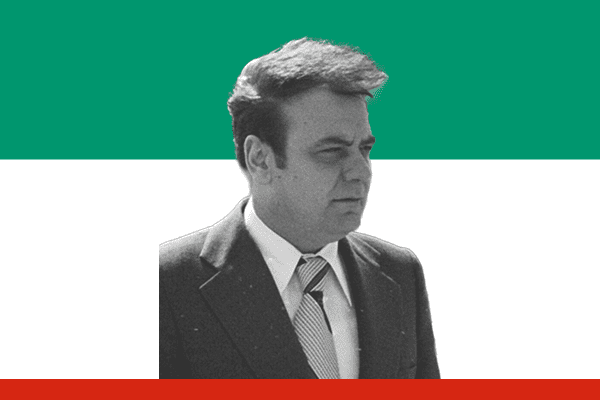
LIST OF PRESIDENTS OF BULGARIA
Role of the President
The President of Bulgaria is elected directly by the people for a five-year term and can serve a maximum of two terms. The president acts as the commander-in-chief of the armed forces, appoints ambassadors, and can veto laws passed by parliament. However, the National Assembly can override the veto with another vote. The office is mainly ceremonial but remains influential during political crises and national discussions.
Early Democratic Presidents
The first democratically elected president after the communist era was Zhelyu Zhelev, who served from 1990 to 1997. He was known for supporting democracy and human rights during Bulgaria’s transition from communism. Zhelev helped establish democratic institutions and encouraged political freedom.
After him, Petar Stoyanov became president in 1997. He supported economic reforms and stronger relations with Western countries. During his leadership, Bulgaria moved closer to joining European and international organizations.
Modern Presidents of Bulgaria
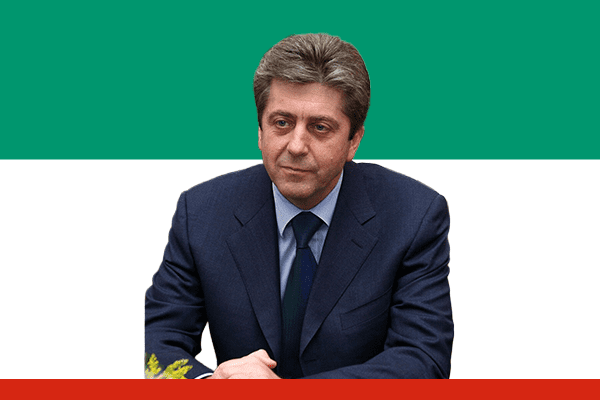
From 2002 to 2012, Georgi Parvanov served as president. He focused on improving Bulgaria’s international image and strengthening diplomatic relations. During his presidency, Bulgaria joined North Atlantic Treaty Organization in 2004 and European Union in 2007, which were major achievements for the country.
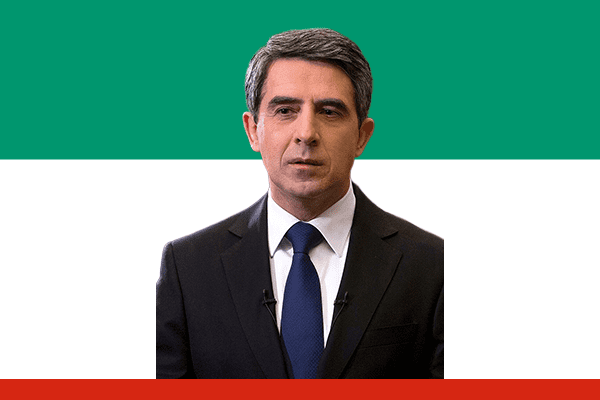
He was followed by Rosen Plevneliev from 2012 to 2017. Plevneliev emphasized technological growth, transparency, and European cooperation. He strongly supported democratic values and modernization.
Current President
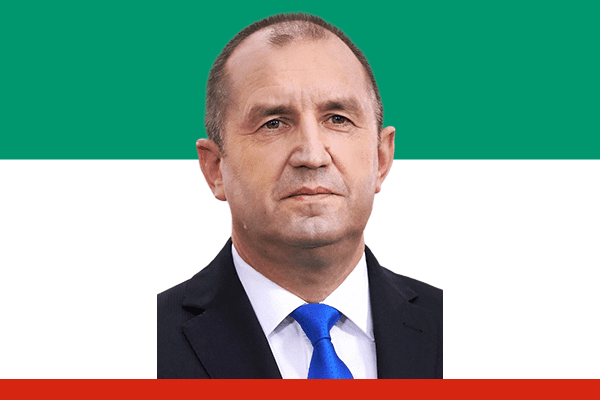
The current president of Bulgaria is Rumen Radev, who took office in 2017. A former air force commander, Radev is known for his interest in national security and political reform. He has often spoken about fighting corruption and improving public trust in government institutions. Under his leadership, Bulgaria has continued to participate actively in European and international affairs.
Conclusion
The presidents of Bulgaria have played a significant role in shaping the country’s democratic journey. From the transition after communism to membership in NATO and the European Union, each president has contributed to Bulgaria’s political and social development. Today, the presidency remains an important symbol of national unity and stability in Bulgaria.