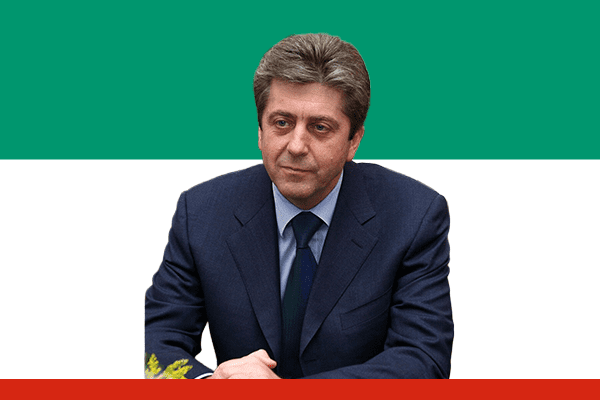
Mr. Georgi Parvanov
In Office: 22 January 2002 – 22 January 2012
Political Party: Bulgarian Socialist Party
Home State: Sirishtnik
Lifespan: Born 1957
Country: Bulgaria
Image credits available here.
Early Life and Education
Georgi Sedefchov Parvanov was born on June 28, 1957, in the village of Sirishtnik, Bulgaria. He grew up in a hardworking family that valued education and discipline. From an early age, he developed a strong interest in history and politics.
Parvanov studied history at Sofia University “St. Kliment Ohridski,” one of Bulgaria’s most respected educational institutions. During his academic years, he focused on Bulgarian national movements and political development. After graduation, he worked as a historian and researcher at the Institute of History of the Bulgarian Communist Party. His research and writing earned him recognition in academic circles.
Political Career
Georgi Parvanov entered politics during a period of major political change in Bulgaria. After the fall of communism in Eastern Europe, Bulgaria transitioned toward democracy. Parvanov joined the Bulgarian Socialist Party (BSP), which emerged from the former Communist Party.
He quickly rose within the party because of his communication skills and leadership abilities. In 1996, he became chairman of the Bulgarian Socialist Party. During his leadership, he worked to modernize the party and adapt it to democratic principles. Instead of focusing only on old political ideologies, he encouraged dialogue and cooperation.
Parvanov also served as a member of the Bulgarian National Assembly. Through parliamentary work, he gained valuable political experience and built strong connections with national leaders.
Presidency of Bulgaria
In 2001, Georgi Parvanov won the presidential election and officially became President of Bulgaria in January 2002. His presidency marked a significant period in Bulgaria’s modern history. He actively promoted national unity, political stability, and economic cooperation.
One of his major achievements involved strengthening Bulgaria’s international partnerships. Under his leadership, Bulgaria joined the North Atlantic Treaty Organization (NATO) in 2004. He strongly supported Bulgaria’s membership in the European Union as well. In 2007, Bulgaria officially became a member of the European Union, which represented a historic milestone for the country.
Parvanov frequently met world leaders and participated in international conferences. He promoted Bulgaria as a stable and reliable European nation. Through diplomacy and active engagement, he improved the country’s global reputation.
Leadership Style and Policies
Georgi Parvanov adopted a balanced and diplomatic leadership style. He encouraged cooperation among political parties and emphasized dialogue during times of political disagreement. Rather than creating division, he focused on building consensus.
He also supported energy development and regional cooperation in Southeast Europe. During his presidency, Bulgaria strengthened economic ties with neighboring countries. Parvanov paid close attention to cultural heritage, education, and scientific progress.
His interest in history influenced his political decisions. He often highlighted the importance of preserving Bulgarian traditions and national identity while embracing modernization and European integration.
Personal Life and Interests
Georgi Parvanov is married to Zorka Parvanova, and they have two sons. Outside politics, he enjoys history, sports, and writing. His academic background continued to shape his public image even during his political career.
He remains active in public discussions and political commentary after leaving office in 2012. His experience and knowledge continue to influence Bulgarian political debates.
Legacy and Importance
Georgi Parvanov left a lasting impact on Bulgaria through his decade-long presidency. He guided the country during a crucial stage of European integration and international cooperation. His efforts helped Bulgaria strengthen democratic institutions and expand its global presence.
Many people remember him for promoting stability, diplomacy, and modernization. By combining academic knowledge with political leadership, Parvanov became one of Bulgaria’s most recognized modern presidents.
Conclusion
Georgi Parvanov played a major role in shaping modern Bulgaria. Through active diplomacy, political leadership, and commitment to national progress, he helped Bulgaria move closer to Europe and strengthen its position internationally. His presidency remains an important chapter in Bulgarian history.