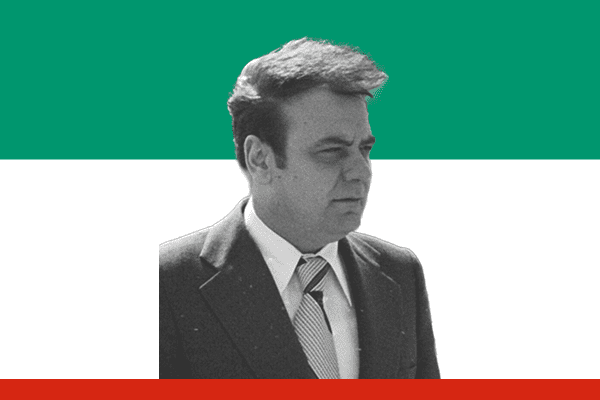
Early Life and Education
Petar Toshev Mladenov was born on August 22, 1936, in the village of Toshevtsi, Bulgaria. He grew up in a politically active family because his father participated in anti-fascist activities. These experiences shaped Mladenov’s political beliefs from a young age.
He completed his education at the Sofia Institute of International Relations. During his student years, he actively participated in communist youth organizations. His strong communication skills and political dedication helped him rise quickly within the Bulgarian Communist Party.
Political Career
Mladenov began his political career through the Communist Youth League. He steadily gained influence in the Bulgarian Communist Party and earned recognition for his diplomatic abilities. In 1971, he became Bulgaria’s Minister of Foreign Affairs. He held this position for nearly two decades, making him one of the country’s most experienced political leaders.
As foreign minister, Mladenov strengthened Bulgaria’s relationships with the Soviet Union and other socialist countries. He represented Bulgaria at international meetings and promoted cooperation with Eastern Bloc nations. At the same time, he supported reforms that aimed to modernize Bulgaria’s political and economic systems.
Rise to Leadership
By the late 1980s, communist governments across Eastern Europe faced increasing public pressure. Citizens demanded democratic reforms, freedom of speech, and economic improvements. In Bulgaria, long-time leader Todor Zhivkov struggled to maintain support.
In November 1989, senior communist officials removed Zhivkov from power. Petar Mladenov emerged as the new leader of Bulgaria. He became Chairman of the State Council, effectively serving as head of state. Unlike many hardline communist leaders, Mladenov supported political reforms and recognized the need for change.
He encouraged dialogue with opposition groups and promised democratic reforms. Under his leadership, Bulgaria legalized opposition political parties and organized free elections. These actions marked a historic turning point in Bulgarian history.
Presidency and Democratic Transition
In 1990, Bulgaria replaced the State Council system with a presidential institution. Petar Mladenov became the country’s first president under the new structure. During his presidency, he focused on peaceful political transition and national stability.
Mladenov worked to reduce tensions between communist supporters and democratic activists. He encouraged constitutional reforms and supported the creation of a multi-party political system. His leadership helped Bulgaria avoid the violent conflicts that affected some other countries during the collapse of communism.
However, public criticism against him grew rapidly. Many citizens believed former communist leaders still held too much influence in government. A controversial statement allegedly made by Mladenov during protests damaged his popularity. Opposition groups demanded his resignation and accused him of failing to fully break away from communist practices.
In July 1990, Petar Mladenov resigned from the presidency. His resignation symbolized the end of communist dominance in Bulgarian politics and opened the path for stronger democratic governance.
Legacy and Historical Importance
Petar Mladenov remains an important figure in Bulgaria’s transition to democracy. He guided the country through one of the most difficult periods in its history. Instead of resisting political change, he accepted reforms and supported peaceful transformation.
Historians often describe him as a moderate reformer who understood the need for modernization. Although controversies surrounded his leadership, many people recognize his role in preventing political violence during Bulgaria’s democratic transition.
His presidency marked the beginning of a new political era in Bulgaria. The democratic institutions established during his leadership continue to shape the country today.
Conclusion
Petar Mladenov played a crucial role in Bulgaria’s political transformation at the end of the Cold War. Through active leadership and support for democratic reforms, he helped Bulgaria move away from communist rule toward a democratic future. His contributions remain significant in Bulgarian political history, and his leadership continues to be studied as part of Eastern Europe’s transition to democracy.