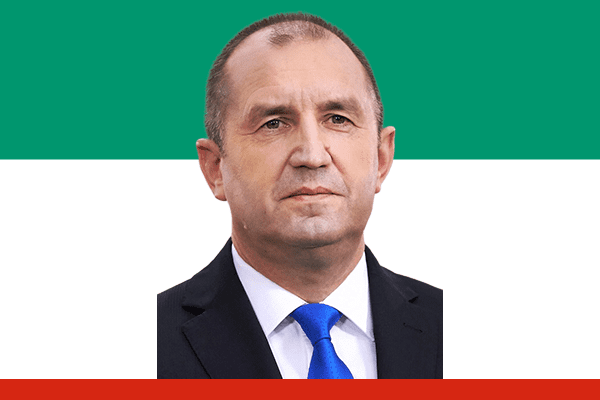
Early Life and Education
Rumen Georgiev Radev was born on June 18, 1963, in Dimitrovgrad, Bulgaria. He grew up in a hardworking family that valued education and discipline. From an early age, he showed interest in science, aviation, and national service.
Radev attended the Bulgarian Air Force Academy “Georgi Benkovski,” where he graduated with excellent results. He later pursued advanced military education and specialized training in aviation and defense studies. His dedication and talent helped him rise quickly within the Bulgarian Air Force.
In addition to his military education, he studied strategic leadership and international security, which prepared him for future responsibilities in national administration and politics.
Military Career
Rumen Radev built a distinguished career in the Bulgarian Air Force. He served as a fighter pilot and gained respect for his professionalism and leadership abilities. During his military service, he flew MiG-29 fighter aircraft and completed numerous training missions.
Over the years, he advanced through various command positions and eventually became the Commander of the Bulgarian Air Force in 2014. In this role, he worked to modernize the military, improve defense capabilities, and strengthen cooperation with international allies, including NATO.
Radev earned recognition for his disciplined leadership and strategic thinking. His military background shaped his image as a strong and decisive leader who valued national security and public service.
Entry into Politics
In 2016, Rumen Radev entered Bulgarian politics as an independent candidate supported by the Bulgarian Socialist Party. He campaigned on promises of transparency, anti-corruption reforms, and stronger protection of national interests.
His message connected with many citizens who wanted political change and greater accountability from public institutions. Radev won the presidential election and officially became President of Bulgaria in January 2017.
As president, he actively participated in political discussions and often encouraged reforms to improve governance and judicial independence.
Presidency and Leadership
During his presidency, Rumen Radev focused on strengthening democratic institutions and addressing social and economic challenges. He frequently called for transparency in government and supported efforts to reduce corruption.
Radev also played an important role in Bulgaria’s foreign relations. He promoted cooperation within the European Union while emphasizing the importance of protecting Bulgaria’s national identity and interests.
He addressed issues such as energy security, economic development, healthcare, and education. During periods of political instability, he encouraged dialogue and stability within the country.
The president also represented Bulgaria at international meetings and diplomatic events, helping maintain strong relationships with neighboring countries and global partners.
Personal Life
Rumen Radev married Desislava Radeva, and together they maintain an active public presence. He often speaks about the importance of family values, education, and patriotism.
Outside politics, Radev enjoys aviation, reading, and sports. His calm personality and disciplined lifestyle reflect his years of military service.
Legacy and Influence
Rumen Radev has established himself as a significant figure in Bulgarian politics. His leadership style combines military discipline with active political engagement. Supporters admire his direct communication and focus on national interests, while critics sometimes challenge his political positions. Despite differing opinions, he continues to influence Bulgaria’s political direction.
His presidency highlights the growing importance of accountability, transparency, and modernization in Bulgarian public life.
Conclusion
Rumen Radev continues to serve as a prominent leader in Bulgaria. Through his military experience, political involvement, and commitment to reform, he has shaped modern Bulgarian politics. His presidency reflects efforts to strengthen democracy, protect national interests, and improve the country’s future.