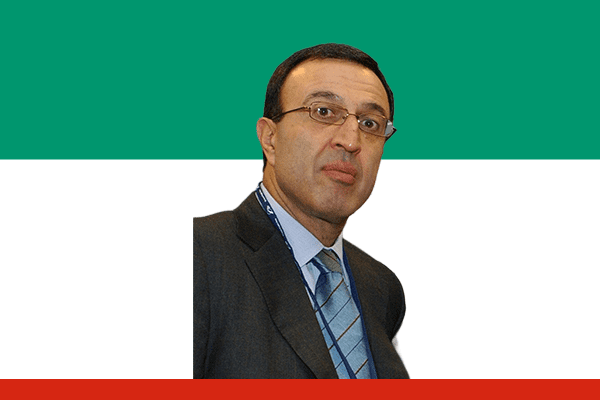
Early Life and Education
Petar Stoyanov was born on May 25, 1952, in the city of Plovdiv, Bulgaria. He grew up in a family that valued education and discipline. From an early age, he showed interest in literature, history, and public affairs. He completed his education in Plovdiv and later studied law at Sofia University, one of Bulgaria’s leading institutions.
After graduating, he worked as a lawyer and built a successful legal career. He defended civil rights cases and gained respect for his professional integrity. His legal background helped him develop strong communication and leadership skills that later supported his political journey.
Entry into Politics
Following the collapse of communist rule in Bulgaria in 1989, Petar Stoyanov entered politics during a time of major national transformation. He joined the Union of Democratic Forces, a political coalition that promoted democracy and economic reform.
Stoyanov quickly became an influential figure because he communicated clearly and connected well with ordinary citizens. He advocated democratic institutions, free speech, and closer ties with Western Europe. His dedication to reform earned him public trust and recognition across the country.
Presidency of Bulgaria
In 1996, Petar Stoyanov won the presidential election and officially became President of Bulgaria in January 1997. He assumed office during a severe economic and political crisis. Inflation had risen sharply, protests had spread across the country, and many citizens demanded change.
Stoyanov played an active role in restoring political stability. He supported peaceful democratic reforms and encouraged cooperation among political leaders. His leadership helped Bulgaria avoid deeper instability and strengthened public confidence in democratic governance.
During his presidency, Bulgaria accelerated its efforts to join European and international organizations. Stoyanov strongly supported membership in the European Union and the North Atlantic Treaty Organization (NATO). He worked closely with foreign leaders and promoted Bulgaria as a reliable democratic partner.
Support for Democracy and Reform
Petar Stoyanov consistently promoted democratic values throughout his political career. He encouraged transparency, freedom of expression, and respect for human rights. Instead of focusing only on ceremonial duties, he actively participated in discussions about national development and reform.
He also supported economic modernization and encouraged foreign investment in Bulgaria. His government worked to improve the country’s international image and attract stronger global partnerships.
Stoyanov believed that Bulgaria’s future depended on integration with Europe. He encouraged educational development, modernization, and cooperation with democratic nations. His efforts helped prepare Bulgaria for future membership in European institutions.
Personal Life and Character
Petar Stoyanov is known for his calm personality, professionalism, and diplomatic approach. He married Antonina Stoyanova, and the couple has children together. Throughout his public life, he maintained a positive reputation and remained active in social and international initiatives.
After leaving the presidency in 2002, he continued participating in political discussions, legal work, and international forums. He often speaks about democracy, leadership, and Bulgaria’s role in Europe.
Legacy and Importance
Petar Stoyanov remains an important figure in Bulgaria’s modern political history. His presidency marked a period of democratic strengthening and international progress. He helped guide Bulgaria through difficult challenges and supported reforms that shaped the nation’s future.
His commitment to democracy, European integration, and peaceful political dialogue continues to influence Bulgarian politics. Many people remember him as a leader who encouraged hope, stability, and modernization during a critical period of transition.
Conclusion
Petar Stoyanov played a significant role in Bulgaria’s democratic development. Through active leadership and dedication to reform, he helped strengthen the country’s political institutions and international relationships. His presidency left a lasting impact on Bulgaria’s journey toward stability, democracy, and European integration.