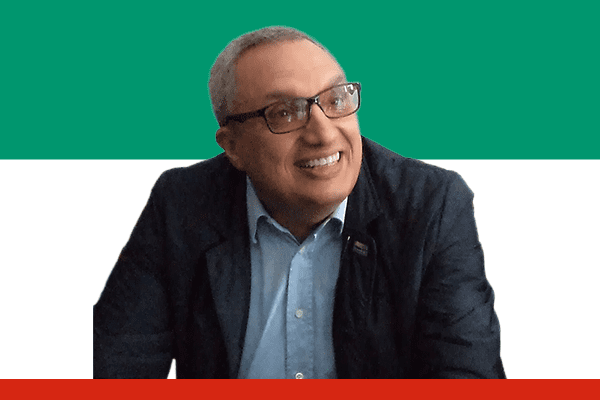
Early Life and Education
Ivan Kostov was born on December 23, 1949, in Sofia, Bulgaria. He grew up in a disciplined and educated family environment that encouraged academic success. Kostov developed an early interest in mathematics and economics, subjects that later shaped his political career.
He studied at the Karl Marx Higher Institute of Economics in Sofia, where he specialized in economics. After completing his education, he worked as a university lecturer and economic researcher. His academic background helped him understand the economic challenges Bulgaria faced during the communist era and the transition to democracy.
Entry into Politics
During the late 1980s and early 1990s, Bulgaria experienced major political changes after the fall of communism. Ivan Kostov entered politics during this important period and quickly gained recognition for his economic knowledge and reform-oriented ideas.
He joined the Union of Democratic Forces (UDF), a coalition that supported democratic reforms and free-market policies. Kostov served as Minister of Finance in the early 1990s. In this role, he worked actively to improve Bulgaria’s weak economy and reduce financial instability.
His dedication and leadership abilities increased his popularity within the party. In 1997, the UDF won the parliamentary elections, and Ivan Kostov became Prime Minister of Bulgaria.
Leadership as Prime Minister
Ivan Kostov took office during one of Bulgaria’s most difficult economic crises. Hyperinflation, unemployment, and banking failures had severely damaged the country’s economy. Citizens demanded strong leadership and immediate reforms.
Kostov introduced major economic reforms to stabilize the nation. His government implemented a currency board system, controlled inflation, and encouraged foreign investment. These policies improved economic stability and restored international confidence in Bulgaria.
He also launched privatization programs that transformed state-owned industries into private businesses. Although some reforms faced criticism, they helped Bulgaria transition from a centrally planned economy to a market-based system.
Under Kostov’s leadership, Bulgaria strengthened its relationship with the European Union and NATO. He promoted democratic values, transparency, and international cooperation. His government laid the foundation for Bulgaria’s future membership in both organizations.
Political Challenges
Despite his achievements, Ivan Kostov faced political opposition and public criticism. Some citizens believed that privatization reforms benefited wealthy individuals more than ordinary people. Others criticized the slow improvement in living standards during the transition period.
Corruption allegations and political disagreements also weakened public support for his government. In the 2001 elections, his party lost power, ending his term as prime minister.
Even after leaving office, Kostov remained active in Bulgarian politics. He continued to support democratic reforms and economic modernization through political organizations and public discussions.
Legacy and Influence
Ivan Kostov left a lasting impact on Bulgaria’s political and economic development. Many experts credit him with saving Bulgaria from economic collapse during the late 1990s. His reforms created the foundation for long-term financial stability and stronger international partnerships.
Supporters admire his courage in implementing difficult reforms during a time of crisis. Critics debate some of his economic policies, but few deny his importance in shaping modern Bulgaria.
Kostov’s leadership demonstrated determination, discipline, and commitment to national progress. His influence continues to appear in discussions about Bulgaria’s democratic transition and economic growth.
Conclusion
Ivan Kostov remains one of Bulgaria’s most significant political leaders. Through active leadership and economic reforms, he helped Bulgaria overcome serious financial and political challenges. His efforts strengthened democracy, improved economic stability, and moved the country closer to European integration. Although opinions about his policies differ, his role in Bulgaria’s modern history remains highly important.