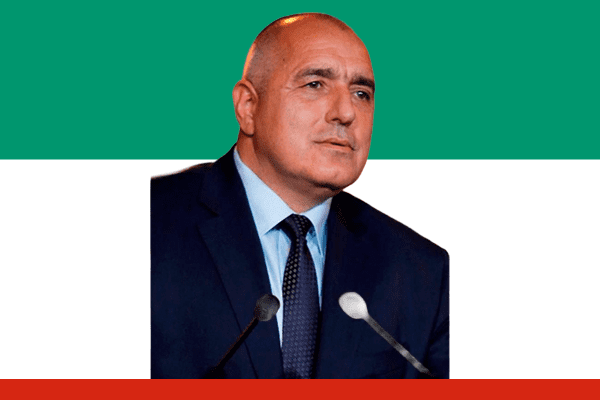
Early Life and Education
Boyko Metodiev Borisov was born on June 13, 1959, in Bankya, a town near Sofia, Bulgaria. He grew up in a working-class family and developed an interest in discipline and public service from a young age. Borisov studied at the Higher Institute of the Ministry of Interior in Sofia, where he specialized in firefighting and civil protection.
After completing his education, he worked in the Bulgarian Ministry of Interior. His dedication and leadership skills helped him rise through the ranks. During the political changes that transformed Bulgaria in the late twentieth century, Borisov adapted quickly to the new environment and expanded his professional career.
Career Before Politics
Before entering politics, Borisov gained public recognition through his work in security services. He founded a private security company called Ipon-1, which protected important political figures and public personalities. His experience in security increased his visibility and introduced him to influential people in Bulgarian society.
In 2001, Borisov became Chief Secretary of the Bulgarian Ministry of Interior. He actively fought organized crime and corruption, earning popularity among citizens. His direct communication style and public appearances strengthened his image as a decisive leader.
Entry into Politics
Boyko Borisov officially entered politics in the mid-2000s. In 2005, he formed the political party GERB, which stands for Citizens for European Development of Bulgaria. The party quickly gained support because many voters viewed Borisov as a practical and action-oriented politician.
He first served as Mayor of Sofia, the capital city of Bulgaria. During his time as mayor, Borisov improved infrastructure projects, road systems, and public services. His administration focused on modernization and urban development, which increased his popularity nationwide.
Prime Minister of Bulgaria
In 2009, Borisov became Prime Minister of Bulgaria for the first time. His government concentrated on economic stability, foreign investment, and European cooperation. He supported Bulgaria’s active participation in the European Union and promoted stronger international partnerships.
During his leadership, the government invested in highways, transportation networks, and public construction projects. Borisov frequently visited project sites personally, showing citizens his active involvement in national development.
However, his governments also faced criticism regarding corruption, media freedom, and political transparency. Large public protests occasionally challenged his administration. Despite these difficulties, Borisov remained one of Bulgaria’s most dominant political figures for more than a decade.
He served multiple terms as prime minister between 2009 and 2021, becoming one of the longest-serving leaders in Bulgaria’s democratic history.
Leadership Style and Influence
Boyko Borisov became known for his direct, energetic, and practical leadership style. He often communicated with citizens through media appearances and public events. Supporters admired his focus on visible development projects and economic management.
Critics, however, argued that his administration centralized power and failed to address corruption effectively. Political opponents frequently challenged his decisions and leadership methods. Nevertheless, Borisov maintained strong political influence through his party and public presence.
Legacy
Boyko Borisov left a major impact on Bulgarian politics. His leadership shaped Bulgaria’s infrastructure, European relations, and political environment during the early twenty-first century. He transformed GERB into one of the country’s strongest political parties and influenced national debates for many years.
Although opinions about his leadership remain divided, Borisov continues to play an important role in Bulgarian public life. His long political career reflects both the opportunities and challenges of modern democratic leadership in Eastern Europe.
Conclusion
Boyko Borisov remains a significant figure in Bulgaria’s political history. Through active leadership, strong public engagement, and long-term political influence, he shaped the country’s modern development. His achievements, controversies, and leadership style continue to influence Bulgarian politics today.