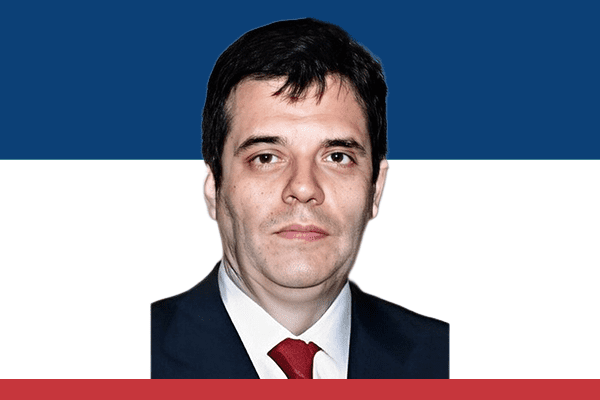
Early Life and Education
Vojislav Koštunica was born on March 24, 1944, in Belgrade, which was then part of German-occupied Yugoslavia during World War II. He grew up in an educated family and developed a strong interest in law and politics at an early age. He attended the University of Belgrade Faculty of Law, where he completed his legal studies and later earned a doctorate.
After finishing his education, Koštunica worked as a university lecturer and legal scholar. He specialized in constitutional law and published several academic works. His professional background shaped his political philosophy and strengthened his belief in democracy, legality, and constitutional governance.
Entry into Politics
Koštunica entered politics during the communist era in Yugoslavia. He criticized authoritarian policies and supported democratic reforms. In the 1970s, authorities removed him from his university position because of his opposition to the communist government.
In 1989, Koštunica helped establish the Democratic Party in Serbia. However, ideological disagreements later led him to form the Democratic Party of Serbia (DSS) in 1992. Through this party, he promoted nationalism, democracy, and the protection of Serbian national interests.
Unlike many politicians of the period, Koštunica maintained a moderate image and avoided extreme rhetoric. His calm personality and legal expertise earned him respect among many Serbian citizens.
Presidency of Yugoslavia
In 2000, opposition parties united against President Slobodan Milošević and selected Koštunica as their candidate in the federal presidential election. Koštunica won significant public support because people viewed him as honest, patriotic, and democratic.
After mass protests known as the Bulldozer Revolution, Milošević accepted defeat, and Koštunica became President of the Federal Republic of Yugoslavia in October 2000. His victory ended Milošević’s authoritarian rule and opened a new chapter in Serbian politics.
As president, Koštunica focused on restoring democratic institutions, improving international relations, and rebuilding the country after years of political conflict and economic sanctions. He worked to strengthen the rule of law and encouraged cooperation with European nations.
Prime Minister of Serbia
In 2004, Koštunica became Prime Minister of Serbia. During his term, he dealt with several important issues, including economic reforms, European integration, and the political status of Kosovo.
He supported cooperation with the European Union but insisted on protecting Serbia’s sovereignty and national interests. Koštunica strongly opposed Kosovo’s declaration of independence in 2008 and argued that Serbia should defend its territorial integrity through diplomatic and legal means.
His government also introduced reforms in public administration and the judicial system. However, political divisions and disagreements within coalition governments created challenges during his leadership.
Political Views and Leadership Style
Koštunica became known for his conservative and nationalist political approach. He emphasized constitutional order, state sovereignty, and democratic governance. Unlike many populist leaders, he preferred a calm and intellectual style of leadership.
Supporters praised him for his honesty, legal knowledge, and dedication to democracy. Critics, however, argued that he moved too slowly on reforms and maintained overly cautious policies during critical moments in Serbian politics.
Retirement and Legacy
After losing political influence in the late 2000s, Koštunica gradually withdrew from public life. In 2014, he officially retired from politics. Despite his retirement, many historians and political analysts continue to view him as an important figure in Serbia’s democratic transition.
Vojislav Koštunica’s leadership helped end authoritarian rule in Yugoslavia and encouraged democratic reforms in Serbia. His commitment to constitutional law and national sovereignty shaped Serbian politics during a crucial historical period.