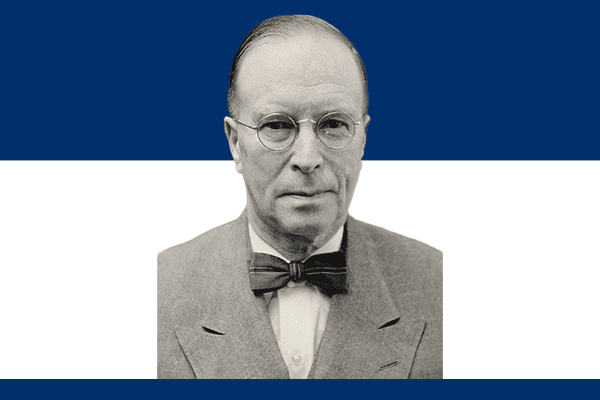
Early Life and Education
Rainer von Fieandt was born on December 25, 1890, in Helsinki, Finland. He belonged to a respected Finnish family and received a strong educational background during his early years. He studied law and economics, subjects that later shaped his successful career in finance and government administration.
After completing his studies, he entered the banking sector and quickly gained recognition for his intelligence and organizational abilities. Instead of limiting himself to academic knowledge, he actively worked to improve financial administration and economic planning in Finland.
Career in Banking and Public Service
Before entering politics, Rainer von Fieandt built a successful career in banking and civil administration. He worked for the Bank of Finland and became one of the country’s respected financial experts. His understanding of economics and fiscal policy earned him trust among government officials and business leaders.
He also served in important administrative positions where he focused on economic stability and responsible governance. Through careful planning and disciplined management, he contributed to Finland’s financial development during difficult economic periods.
Rather than seeking political popularity, von Fieandt concentrated on practical solutions and efficient administration. His reputation as a skilled technocrat eventually led political leaders to consider him suitable for national leadership.
Prime Minister of Finland
In 1957, Rainer von Fieandt became the Prime Minister of Finland. President Urho Kekkonen appointed him to lead a caretaker government during a politically sensitive period. Finland faced economic difficulties, labor disputes, and political tensions at that time.
As prime minister, von Fieandt focused on stabilizing the government and managing economic challenges. He worked to reduce political conflicts and maintain public confidence in state institutions. Although he did not represent a strong political party, he used his administrative experience to guide the country responsibly.
His government handled financial matters carefully and aimed to improve cooperation among political groups. Instead of promoting ideological agendas, he emphasized national unity and practical governance.
Leadership Style and Contributions
Rainer von Fieandt demonstrated a calm and disciplined leadership style. He relied on expertise, careful decision-making, and cooperation rather than dramatic political actions. His background in banking influenced his practical approach to governance.
During his time in office, he encouraged responsible economic policies and administrative efficiency. He believed that stable institutions and sound financial management could strengthen Finland’s democracy and economic growth.
Although his term as prime minister remained short, he helped maintain order during a transitional phase in Finnish politics. His work reflected dedication to public duty rather than personal ambition.
Later Life and Legacy
After leaving office in 1958, Rainer von Fieandt stepped away from major political responsibilities. However, people continued to respect him for his contributions to Finland’s financial and political stability. He remained an important figure in discussions about Finnish governance and public administration.
Von Fieandt passed away on January 18, 1972. Historians remember him as a capable administrator and a trustworthy national leader who served Finland during a critical period.
His legacy highlights the importance of professionalism, economic expertise, and responsible leadership. Even though he did not lead Finland for many years, his contributions demonstrated how experienced administrators can support democratic stability and national progress.
Conclusion
Rainer von Fieandt played a significant role in Finland’s political and economic history. Through active leadership, financial expertise, and administrative discipline, he helped guide the nation during a difficult period. His dedication to public service and practical governance earned him lasting respect in Finland. Today, he remains remembered as a reliable leader who valued stability, cooperation, and responsible administration.