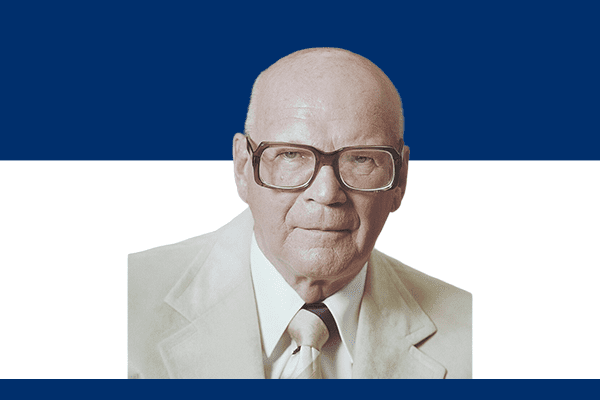
Early Life and Education
Urho Kaleva Kekkonen was born on September 3, 1900, in Pielavesi, Finland. He grew up in a modest family and experienced the challenges of rural Finnish life. During his youth, Finland struggled for independence from Russia, and these events influenced his political thinking.
Kekkonen studied law at the University of Helsinki and earned a law degree in 1926. Alongside his studies, he developed a strong interest in journalism, athletics, and politics. He also participated in Finland’s Civil War on the White side, supporting Finnish independence and national unity.
Beginning of Political Career
Urho Kekkonen began his political career through the Agrarian League, which later became the Centre Party. His intelligence, determination, and debating skills quickly made him a respected figure in Finnish politics.
During the 1930s and 1940s, he served in several important government positions, including Minister of Justice and Minister of the Interior. In these roles, he worked to strengthen Finnish democracy and maintain national stability during difficult times.
After World War II, Finland faced pressure from the Soviet Union and needed careful leadership. Kekkonen understood the importance of diplomacy and developed policies that balanced Finland’s independence with friendly relations with its powerful neighbor.
Presidency and Leadership
In 1956, Urho Kekkonen became President of Finland. He led the country during a tense period in world history when the Cold War divided Europe into opposing political blocs. Finland shared a long border with the Soviet Union, so maintaining peaceful relations became essential.
Kekkonen followed a foreign policy that emphasized neutrality and cooperation. Instead of choosing sides between East and West, he promoted Finland as a neutral country that valued peace and diplomacy. His strategy became known as the “Paasikivi–Kekkonen line,” named after former President Juho Kusti Paasikivi and Kekkonen himself.
Through active diplomacy, Kekkonen improved Finland’s international reputation. He hosted international meetings and encouraged cooperation between nations. One of his major achievements came in 1975 when Helsinki hosted the Conference on Security and Cooperation in Europe (CSCE). This event brought together leaders from many countries and strengthened Finland’s role in global diplomacy.
Domestic Policies and Achievements
At home, Kekkonen focused on economic development and social progress. Under his leadership, Finland transformed from an agricultural society into a modern industrial nation. The government improved education, healthcare, and social welfare programs, raising living standards for Finnish citizens.
Kekkonen also supported sports and outdoor activities. He remained physically active throughout his life and promoted healthy living among citizens. His strong personality and direct communication style made him one of Finland’s most recognizable political figures.
Criticism and Challenges
Despite his achievements, critics sometimes accused Kekkonen of holding too much power. Because he served as president for over two decades, some people believed he weakened political opposition and dominated Finnish politics excessively.
However, many supporters argued that his experience and diplomatic skill protected Finland during a dangerous period in international politics. His leadership helped Finland avoid conflicts and maintain independence during the Cold War.
Legacy and Conclusion
Urho Kekkonen retired in 1981 because of declining health and died in 1986. Many Finns remember him as a leader who guided Finland through one of the most challenging periods in modern history.
His policies strengthened Finland’s international position and contributed to long-term stability and prosperity. Through active diplomacy, strong leadership, and national commitment, Urho Kekkonen left a lasting mark on Finnish politics and society.