Early Life and Education
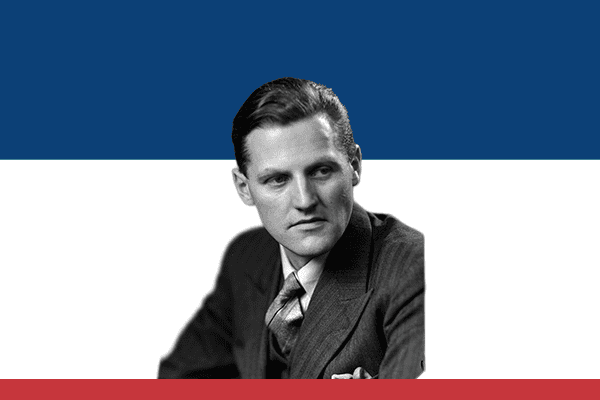
John Lyng was born on August 22, 1905, in Trondheim, Norway. He grew up in a family that valued education and public responsibility. From an early age, he showed interest in law and politics. He attended school in Trondheim and later studied law at the University of Oslo.
After completing his education, Lyng worked as a lawyer. His legal career improved his analytical thinking and communication skills. He gained recognition for his professionalism and commitment to justice. These qualities later helped him succeed in politics.
Entry into Politics
John Lyng joined the Conservative Party of Norway and quickly became active in public affairs. He strongly believed in democracy, individual freedom, and economic development. During World War II, Nazi Germany occupied Norway, and Lyng participated in resistance activities against the occupation.
After the war, Norway rebuilt its political system and economy. Lyng continued his political work and became a leading figure in the Conservative Party. He served in Parliament and worked on national issues related to governance, foreign policy, and economic growth.
Becoming Prime Minister
In 1963, Norway faced political tension after the Kings Bay mining accident, which caused serious criticism of the Labour government. Opposition parties united against Prime Minister Einar Gerhardsen’s administration. As a result, Parliament supported a vote of no confidence against the Labour government.
John Lyng then formed a coalition government consisting of non-socialist parties. On August 28, 1963, he became the Prime Minister of Norway. His appointment marked a historic moment because he led the first non-Labour government in nearly three decades.
Although his government lasted only about one month, Lyng proved that political alternatives could successfully challenge long-term single-party dominance. His leadership encouraged greater balance and competition within Norwegian democracy.
Leadership Style and Political Vision
John Lyng valued cooperation, dialogue, and democratic principles. He believed political leaders should serve citizens honestly and responsibly. Instead of creating division, he encouraged unity among different political groups.
He also supported Norway’s involvement in international organizations and believed strong relationships with Western nations would benefit the country. During his political career, he worked to strengthen Norway’s position in Europe and promote economic progress.
Lyng’s calm personality and legal background helped him handle political challenges effectively. Even political opponents respected his integrity and professionalism.
Later Career and Contributions
After leaving the position of Prime Minister, John Lyng continued contributing to Norwegian politics. He later served as Foreign Minister of Norway from 1965 to 1970. In this role, he represented Norway internationally and worked on important diplomatic matters.
He supported closer cooperation between European countries and participated in discussions about Norway’s relationship with the European Economic Community. His foreign policy experience strengthened Norway’s global presence.
Besides politics, Lyng remained active in public discussions and national affairs. He shared his knowledge and experience with future political leaders and continued promoting democratic values.
Legacy and Importance
John Lyng left a lasting impact on Norwegian politics despite his short time as Prime Minister. He demonstrated that democratic systems become stronger when multiple political parties compete fairly and responsibly.
His leadership opened the door for future non-socialist governments in Norway. Many historians consider his brief administration an important turning point in Norwegian political history.
Lyng’s dedication to democracy, justice, and national service continues to inspire political leaders today. His contributions helped shape modern Norway and strengthened its democratic traditions.
Conclusion
John Lyng was a respected lawyer, politician, and statesman who played a significant role in Norway’s political development. Through his leadership, he challenged political dominance and promoted democratic balance. Although he served briefly as Prime Minister, his influence on Norwegian democracy remains important and widely remembered.