Early Life and Education
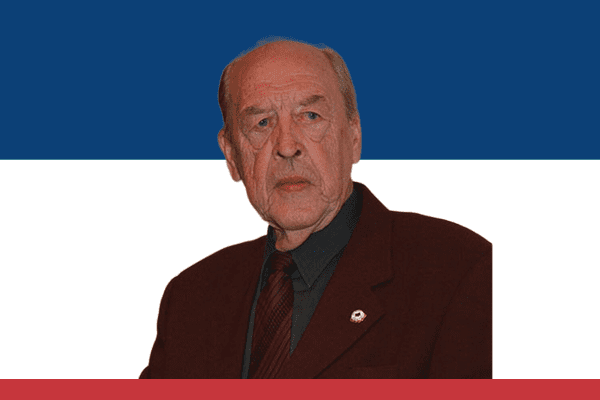
Odvar Nordli was born on November 3, 1927, in Stange, Norway. He grew up in a modest family and developed a strong interest in politics and public service during his youth. He completed his education in Norway and later worked as a journalist and local administrator. These experiences helped him understand the concerns of ordinary citizens and shaped his political philosophy.
Nordli joined the Labour Party at a young age and actively participated in local political activities. His dedication and leadership abilities quickly gained attention within the party. He focused on social equality, workers’ rights, and economic development, which became central themes throughout his political career.
Political Career
Odvar Nordli began his national political career when he became a member of the Norwegian Parliament in 1961. He represented the Hedmark constituency and worked on issues related to regional development, transportation, and public welfare. His strong communication skills and cooperative nature made him an effective politician.
Before becoming prime minister, Nordli served in several important government positions. He gained valuable administrative experience and built strong relationships within the Labour Party. His practical decision-making abilities helped him rise steadily in Norwegian politics.
Prime Minister of Norway
In 1976, Odvar Nordli became the Prime Minister of Norway after the resignation of Trygve Bratteli. He took office during a period of economic uncertainty and increasing global challenges. Despite these difficulties, Nordli worked actively to protect Norway’s economy and strengthen social welfare programs.
His government focused on maintaining employment, controlling inflation, and supporting public services. Nordli encouraged cooperation between labor unions, businesses, and the government to achieve economic stability. Instead of promoting conflict, he emphasized dialogue and compromise.
During his leadership, Norway continued to develop its oil industry, which became an important source of national wealth. Nordli supported responsible management of natural resources and aimed to ensure that economic growth benefited all citizens.
Leadership Style and Achievements
Odvar Nordli led with humility and sincerity. He preferred practical solutions over dramatic political actions and maintained close connections with ordinary people. Many citizens appreciated his honest personality and straightforward communication style.
He worked hard to strengthen Norway’s welfare state by improving healthcare, education, and social security systems. His government also invested in infrastructure and regional development projects to support rural communities.
Nordli promoted international cooperation and maintained strong relationships with other Nordic countries. He supported peace, democracy, and social justice both within Norway and abroad.
Personal Challenges and Later Life
In 1981, Odvar Nordli resigned as prime minister because of health-related challenges. Even after leaving office, he continued contributing to public life and remained respected within Norwegian politics. His dedication to public service inspired younger generations of political leaders.
Nordli later served in other important roles, including parliamentary and administrative positions. He continued advocating for social equality and democratic values throughout his life.
Legacy and Importance
Odvar Nordli left a lasting impact on Norwegian politics and society. His leadership strengthened the Labour Party’s commitment to welfare policies and economic cooperation. He guided Norway through difficult economic conditions with patience and responsibility.
People remember him as a modest and hardworking leader who genuinely cared about the well-being of citizens. His emphasis on unity, fairness, and public service continues to influence Norwegian political culture today.
Conclusion
Odvar Nordli played a significant role in shaping modern Norway. Through active leadership, practical policies, and dedication to social welfare, he earned respect as one of Norway’s important political figures. His legacy reflects integrity, democratic values, and commitment to improving society for future generations.