Mr. Franjo Tudman
In Office: 22 December 1990 – 10 December 1999
Political Party: Croatian Democratic Union
Home State: Veliko Trgovišće
Lifespan: 1922–1999
Country: Croatia
Image credits available here.
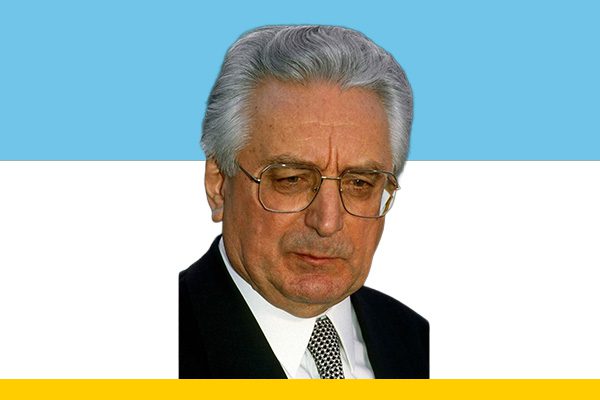
Early Life and Education
Franjo Tuđman was born on May 14, 1922, in Veliko Trgovišće, Croatia, which was then part of the Kingdom of Serbs, Croats, and Slovenes. He grew up in a politically active family that encouraged patriotism and education. During World War II, he joined the Yugoslav Partisans, the resistance movement that fought against fascist forces.
After the war, Tuđman continued his military career and quickly rose through the ranks. He became one of the youngest generals in the Yugoslav Army. Alongside his military service, he studied history and later focused on academic research. He wrote several books and articles about Croatian history and national identity, gaining recognition as a historian.
Political Career and Rise to Leadership
In the 1960s and 1970s, Tuđman criticized the Yugoslav communist government for limiting Croatian national rights. Because of his political views, authorities removed him from public positions and imprisoned him more than once. Despite these setbacks, he continued advocating for Croatian independence and democracy.
In 1989, Tuđman founded the Croatian Democratic Union (HDZ), a political party that supported Croatian sovereignty and democratic reforms. The party quickly gained popularity as Yugoslavia began to weaken. In 1990, Croatia held multi-party elections, and Tuđman became the country’s president.
Leadership During Croatian Independence
Franjo Tuđman led Croatia during one of the most challenging periods in its history. In 1991, Croatia declared independence from Yugoslavia. This decision triggered the Croatian War of Independence as Croatian forces fought against the Yugoslav People’s Army and Serbian rebel groups.
Tuđman worked actively to strengthen Croatia’s military and gain international support. Under his leadership, Croatia secured recognition from many countries and became a member of the United Nations in 1992. He encouraged national unity and motivated citizens to defend their independence.
During the war, Tuđman faced criticism from international organizations and political opponents regarding certain military actions and policies. Nevertheless, many Croatians viewed him as a symbol of independence and national strength.
Domestic Policies and Reforms
After the war, Tuđman focused on rebuilding Croatia’s economy and institutions. His government improved infrastructure, encouraged foreign relations, and strengthened Croatia’s position in Europe. He promoted Croatian culture, language, and national identity as key elements of the new state.
However, critics argued that his administration limited press freedom and concentrated political power. Opposition parties and international observers sometimes questioned his democratic practices. Even so, Tuđman remained a dominant political figure throughout the 1990s.
Personal Life and Character
Franjo Tuđman married Ankica Žumbar, and the couple had children together. People often described him as determined, disciplined, and deeply patriotic. His military background and historical knowledge strongly influenced his leadership style.
He maintained a strong public image and frequently addressed the nation during times of crisis. His speeches emphasized independence, unity, and national pride.
Legacy and Death
Franjo Tuđman died on December 10, 1999, in Zagreb, Croatia. His death marked the end of an important chapter in Croatian history. Supporters remember him as the “Father of Modern Croatia” because he led the country to independence. Critics continue debating some aspects of his political decisions and leadership methods.
Despite differing opinions, historians recognize his major influence on Croatia’s formation as an independent nation. His actions shaped the country’s political and national identity for future generations.
Conclusion
Franjo Tuđman remains one of the most significant figures in Croatian history. Through active leadership, political vision, and determination, he guided Croatia toward independence and international recognition. His legacy continues to influence Croatian politics, society, and national identity today.