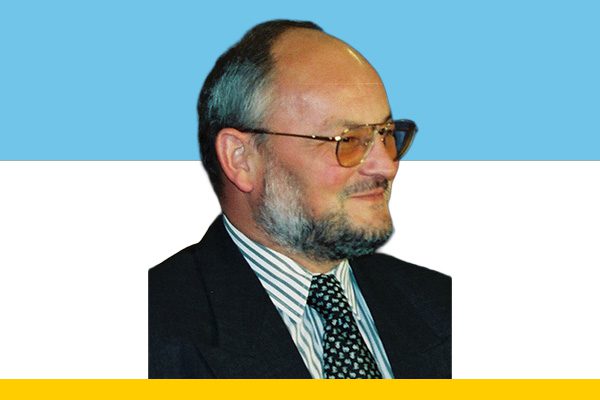
Early Life and Education
Zlatko Mateša was born on 17 June 1949 in Zagreb. He completed his education in Zagreb and earned a law degree from the University of Zagreb. His legal education gave him a solid understanding of government, public administration, and the rule of law. Before entering national politics, he gained valuable professional experience in legal and administrative positions, which prepared him for future leadership roles.
Political Career
Zlatko Mateša became an active member of the Croatian Democratic Union during the early years of Croatia’s independence. His dedication and administrative abilities quickly earned him important responsibilities within the government.
In November 1995, he became the Prime Minister of Croatia. During his tenure, his government focused on rebuilding the country after the Croatian War of Independence. His administration improved infrastructure, encouraged economic recovery, strengthened public institutions, and worked to attract domestic and foreign investment. These efforts helped Croatia move toward greater political stability and economic development.
Major Achievements as Prime Minister
As Prime Minister, Zlatko Mateša introduced several reforms that modernized Croatia’s economy and public administration. His government promoted privatization, encouraged business development, and improved financial management. These policies supported economic growth during a challenging period of national reconstruction.
Mateša also strengthened Croatia’s international relations. His government expanded cooperation with European countries and international organizations. Croatia took important steps toward closer ties with European institutions, laying the groundwork for future membership in the European Union.
His leadership helped increase confidence in Croatia’s democratic institutions and supported the country’s long-term development goals.
Leadership Style
Zlatko Mateša earned recognition for his calm, practical, and disciplined leadership style. He emphasized teamwork, careful planning, and effective decision-making. Instead of relying on dramatic public speeches, he focused on achieving practical results through cooperation with government officials and public institutions.
His experience as a lawyer allowed him to approach complex political and legal issues with clarity and professionalism. Many colleagues respected him for his administrative competence and balanced approach to governance.
Contributions to Sports
After leaving the office of Prime Minister in 2000, Zlatko Mateša remained active in public life. He became one of Croatia’s leading sports administrators and played a significant role in promoting Olympic values. As president of the Croatian Olympic Committee, he supported athletes, encouraged youth participation in sports, and helped strengthen Croatia’s international sporting reputation.
Under his leadership, Croatian athletes continued to perform successfully in international competitions, bringing pride to the nation.
Legacy
Zlatko Mateša left a lasting impact on Croatia through both politics and sports administration. His leadership during a critical period of national reconstruction helped stabilize the country and promote economic development. His efforts to strengthen democratic institutions and improve international cooperation contributed to Croatia’s long-term progress.
His continued dedication to sports has also inspired many young athletes and reinforced Croatia’s presence on the global sporting stage.
Conclusion
Zlatko Mateša remains an important figure in modern Croatian history. As Prime Minister, he guided Croatia through a period of rebuilding and reform with determination and practical leadership. Later, as a sports administrator, he continued serving the nation by supporting athletic excellence and youth development. His career reflects a lifelong commitment to public service, national progress, and responsible leadership.