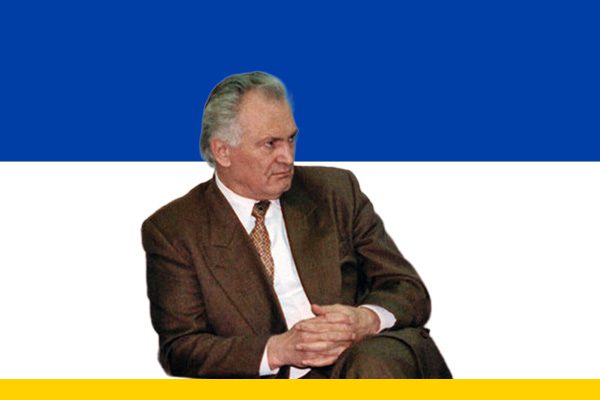
Early Life and Education
Ion Ciubuc was born on 29 May 1943 in the village of Hădărăuți, which is now part of Moldova. He grew up in a rural environment and developed an interest in agriculture and economics at an early age. He studied at the Agricultural Institute in Odessa and graduated in 1970 with a specialization in agrarian economics. Later, he earned a doctoral degree in economics, strengthening his expertise in economic planning and management.
Professional Career
Before entering national politics, Ion Ciubuc worked as an economist and agricultural manager. He held leadership positions in collective farms and agricultural organizations. His strong understanding of economic issues helped him advance through various administrative and government roles.
During the Soviet period, he served in several important positions related to economic planning and agricultural development. He also participated in research and policy work that focused on improving agricultural productivity and economic performance. His practical experience prepared him for higher responsibilities in government.
Political Leadership
After Moldova gained independence, Ion Ciubuc assumed several senior government positions. He worked as First Deputy Minister of Economy and later served as First Deputy Prime Minister. His knowledge of economic affairs made him a valuable member of the Moldovan government.
In December 1994, he became the first President of the Court of Accounts, the institution responsible for overseeing public finances. He focused on strengthening financial accountability and improving government oversight. His work earned him recognition as a capable administrator.
Prime Minister of Moldova
Ion Ciubuc became Prime Minister of Moldova on 24 January 1997. As head of government, he faced numerous economic and political challenges. Moldova was undergoing a difficult transition from a centrally planned economy to a market-based system. Ciubuc worked to stabilize the economy, improve public administration, and support economic reforms.
His government encouraged cooperation with international partners and sought solutions to financial difficulties affecting the country. Although his administration faced obstacles, he remained committed to promoting economic growth and national development. He served as Prime Minister until 1 February 1999, when he resigned from office.
Later Years and Legacy
After leaving politics, Ion Ciubuc focused on business activities, particularly in the agricultural sector. He continued to contribute his expertise to economic development projects and remained respected for his experience and professionalism.
Many people remember him as a dedicated public servant who worked diligently during a challenging period in Moldova’s history. His efforts in economic management and public administration left a lasting impact on the country’s institutions.
Conclusion
Ion Ciubuc played an important role in Moldova’s political and economic development. His education, leadership skills, and commitment to public service enabled him to guide the country during a period of significant change. As an economist, administrator, and Prime Minister, he contributed to building modern state institutions and strengthening Moldova’s economy. His legacy continues to hold an important place in the history of Moldova.