GERMANY
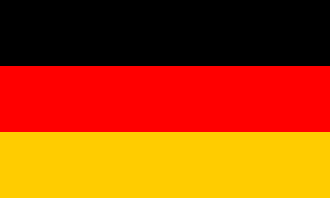
Germany Flag
The flag of Germany features three horizontal stripes of equal width: black on top, red in the middle, and gold at the bottom. This tricolor design symbolizes unity, freedom, and democracy, reflecting Germany’s historical struggles and aspirations. The black represents determination, the red stands for bravery and strength, and the gold signifies generosity and enlightenment. Officially adopted in 1949 with the founding of the Federal Republic of Germany, the flag remains a powerful national symbol of identity, pride, and democratic values.
Germany: A Nation of History, Culture, and Innovation
Germany, in the heart of Europe, combines rich history, cultural heritage, and modern innovation. With over 83 million people, it actively shapes European politics and the global economy. Germany’s historical journey—from the Holy Roman Empire to post-World War II reconstruction and reunification—demonstrates resilience. It leads in industry, technology, and renewable energy, with globally recognized brands like BMW and Volkswagen. The nation actively promotes arts, music, literature, and education, hosting world-renowned festivals and institutions. Germany’s commitment to democracy, innovation, and cultural preservation makes it a dynamic, influential, and forward-looking country on the world stage.
Geography and Climate
Germany stretches from the North Sea and the Baltic Sea in the north to the Alps in the south. Its diverse landscapes include rolling hills, dense forests, fertile plains, and scenic rivers such as the Rhine, Elbe, and Danube. The country experiences a temperate seasonal climate, with cold winters and warm summers. This geographical variety contributes to Germany’s thriving agriculture, tourism, and outdoor recreational activities.
Historical Significance
Germany’s history spans centuries of influential events. From the Holy Roman Empire to the formation of the German Empire in 1871, the nation has experienced periods of unification and division. The 20th century brought challenges, including the two World Wars and the division into East and West Germany during the Cold War. Germany actively reunited in 1990, emerging as a symbol of resilience and progress. Today, the country preserves its historical heritage while promoting modern values of democracy, human rights, and innovation.
Economy and Industry
Germany boasts a highly developed economy driven by industry, technology, and services. It actively leads in automotive manufacturing, engineering, chemicals, and renewable energy. Companies like Volkswagen, Siemens, and BASF have a global presence, reflecting Germany’s commitment to innovation and quality. The nation also actively supports research and development, fostering technological advancements in fields such as artificial intelligence, biotechnology, and environmental solutions.
Culture and Society
Germany has a rich cultural heritage, contributing significantly to music, philosophy, literature, and art. Composers like Beethoven and Bach, philosophers such as Kant and Hegel, and writers including Goethe and Schiller have shaped global thought and creativity. Germany actively promotes cultural events, museums, theaters, and festivals, offering residents and visitors an engaging and dynamic social environment. Additionally, the country values education, providing strong public schooling and renowned universities.
Modern Germany
Today, Germany actively participates in international diplomacy, global trade, and environmental initiatives. It plays a leading role in the European Union, advocating cooperation, sustainability, and economic stability. The nation also emphasizes renewable energy, digital transformation, and social welfare, striving to balance growth with environmental and social responsibility.
Germany represents a harmonious blend of history, culture, and innovation. With its robust economy, rich heritage, and active global engagement, the country continues to shape Europe and the world, offering a model of resilience, creativity, and progress.