PRESIDENTS OF GERMANY
Presidents of Germany: Leadership in a Democratic Republic
Germany, as a federal parliamentary republic, has had a series of presidents who serve as the nation’s ceremonial heads of state and symbols of unity. Since the establishment of the Weimar Republic in 1919, the office of the president has played a key role in representing Germany domestically and internationally, while the chancellor holds executive power.
LIST OF PRESIDENTS OF GERMANY


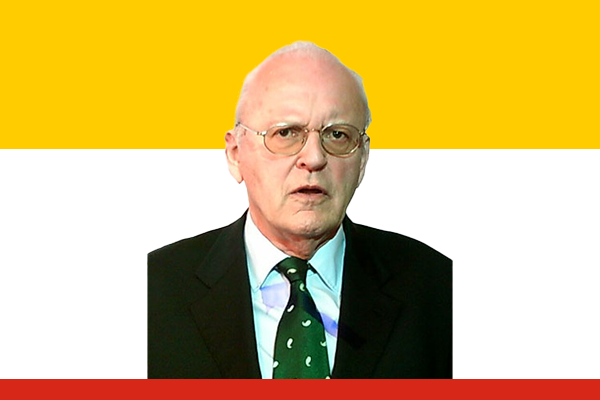

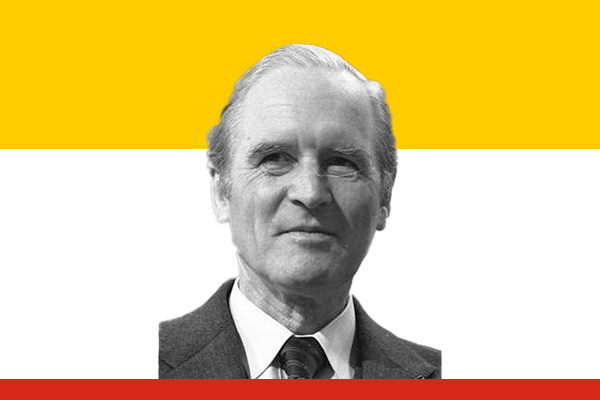


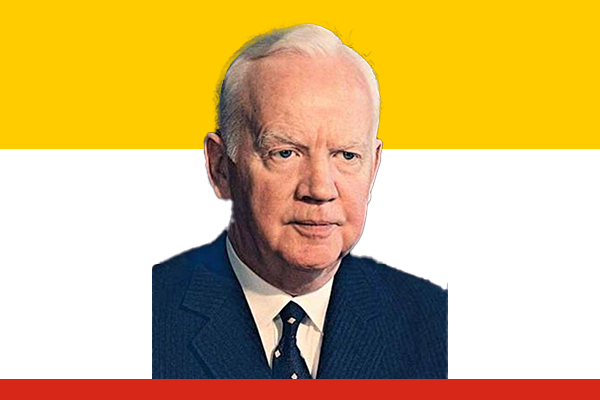

The Weimar Republic Presidents
The first president of Germany, Friedrich Ebert, assumed office in 1919 following the abdication of Kaiser Wilhelm II and the fall of the monarchy. Ebert actively guided Germany through a turbulent period of political instability, economic challenges, and social unrest. During the Weimar Republic, presidents such as Paul von Hindenburg (1925–1934) influenced political developments significantly, exercising emergency powers that shaped government decisions. Hindenburg’s role ultimately had profound consequences, including the appointment of Adolf Hitler as chancellor, demonstrating the political weight of the presidency during crises.
The Federal Republic of Germany
After World War II, Germany adopted a new constitution, the Basic Law, in 1949, establishing the Federal Republic of Germany. The president became a largely ceremonial figure, tasked with representing the country, signing laws, and performing diplomatic duties. The first president of the Federal Republic, Theodor Heuss (1949–1959), actively worked to restore democratic values, rebuild international relationships, and strengthen Germany’s post-war identity.
Modern Presidents
In modern Germany, presidents actively promote national unity, culture, and democratic principles. Figures such as Richard von Weizsäcker (1984–1994) gained international recognition for their speeches and efforts to address Germany’s historical legacy. Johannes Rau (1999–2004) and Joachim Gauck (2012–2017) actively emphasized reconciliation, civil rights, and democratic values. The current president, Frank-Walter Steinmeier, elected in 2017 and re-elected in 2022, actively represents Germany globally, advocates for social cohesion, and supports democratic engagement.
Role and Responsibilities
Presidents of Germany primarily perform ceremonial duties, including representing the nation abroad, signing legislation into law, and appointing federal judges and officials. They actively act as moral authorities, offering guidance on social, political, and ethical issues, and promoting democratic discourse. Though they do not exercise executive power, their influence in public opinion and moral leadership is significant.
Legacy and Influence
The presidency in Germany has evolved from the politically powerful Weimar era to the symbolic and unifying office of the Federal Republic. Presidents actively contribute to the country’s democratic identity, historical reconciliation, and international reputation. Their leadership demonstrates how ceremonial authority can play a vital role in promoting unity, stability, and civic responsibility in a modern democracy.