KINGS OF JAPAN
Kings of Japan: An Overview
Japan does not have “kings” in the traditional sense; instead, it has emperors, the world’s oldest continuous hereditary monarchy. The Japanese emperor is called Tennō, meaning “Heavenly Sovereign.” The imperial line traces its legendary origins back to Emperor Jimmu, believed to have ascended the throne in 660 BCE. According to tradition, he was a descendant of the sun goddess Amaterasu, linking the monarchy to divine ancestry.
LIST OT KINGS OF JAPAN
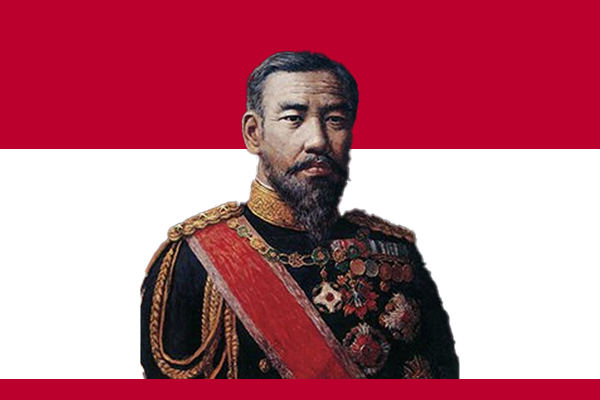
Early Emperors and Mythical Origins
The first emperors of Japan, such as Jimmu and Suizei, belong to the Kofun period and earlier eras often shrouded in mythology. These rulers established the foundation of the imperial line, though historical evidence about the early emperors remains limited. During this time, the emperor served mainly as a spiritual leader rather than a political ruler.
The Heian and Medieval Periods
In the Heian period (794–1185), emperors like Kanmu and Daigo fostered literature, culture, and governance reforms. However, as time passed, real political power shifted to powerful clans such as the Fujiwara and later to the shoguns during the Kamakura (1185–1333) and Muromachi (1336–1573) periods. Emperors continued as symbolic figures while military rulers governed the nation.
Meiji Restoration and Modern Era
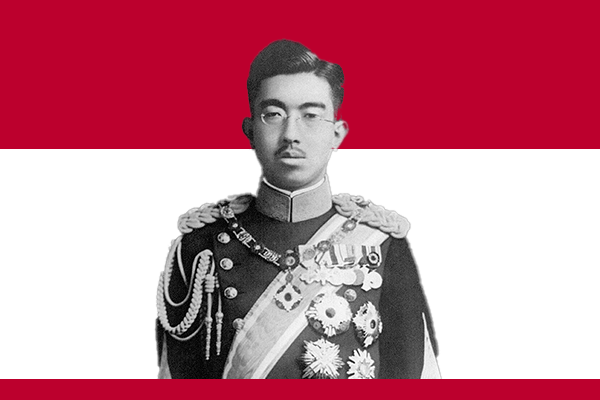
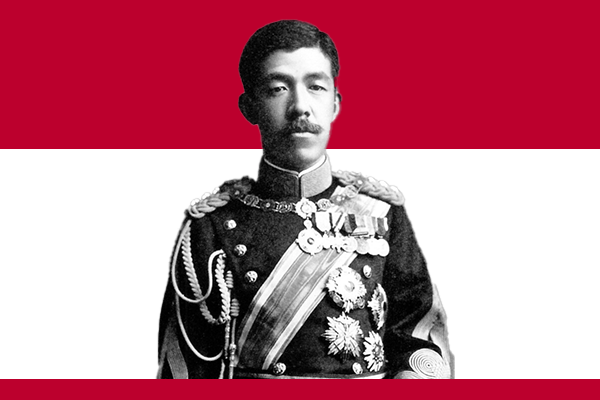
A significant transformation occurred with Emperor Meiji (1867–1912). The Meiji Restoration (1868) restored imperial power, modernized Japan, and ended feudalism. Under Meiji, Japan adopted a constitution, developed industry, and became a major world power. Successive emperors like Taishō (1912–1926) and Shōwa (Hirohito, 1926–1989) led Japan through rapid modernization, war, and reconstruction after World War II.
Contemporary Emperors
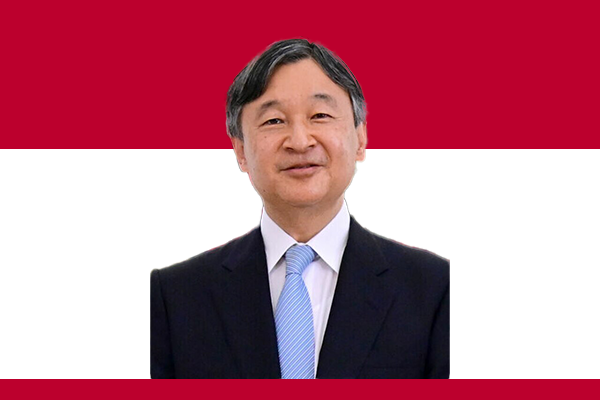
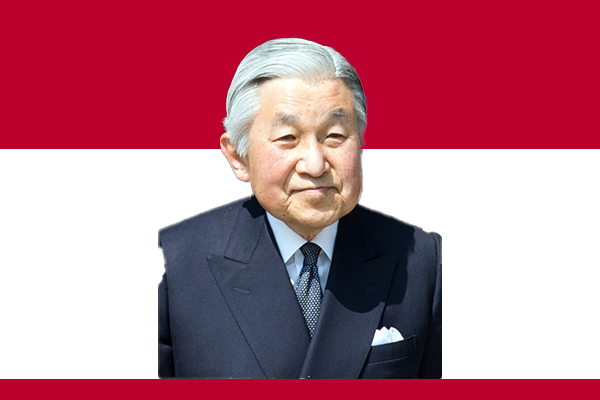
Emperor Akihito (1989–2019) became the first emperor to abdicate in over two centuries, passing the throne to his son, Emperor Naruhito, on May 1, 2019. Naruhito symbolizes national unity and peace under Japan’s post-war constitution, which defines the emperor as the “symbol of the State and of the unity of the people” rather than a political ruler.
Legacy and Significance
Over the centuries, Japan’s emperors have transitioned from divine rulers to constitutional monarchs. The imperial family continues to hold deep cultural importance, embodying tradition, continuity, and national identity. With a lineage spanning more than 2,600 years, Japan’s emperors represent the world’s oldest hereditary monarchy, linking modern Japan to its ancient past.