PRIME MINISTERS OF NEW ZEALAND
Prime Ministers of New Zealand
The office of the Prime Minister of New Zealand holds immense significance in the country’s governance system. Established in 1856, this position evolved from colonial administration to a democratic leadership role in a parliamentary framework. The Prime Minister serves as the head of government, leading the Cabinet, implementing policies, and representing New Zealand both nationally and internationally.
LIST OF PRIME MINISTERS OF NEW ZEALAND


Early Prime Ministers
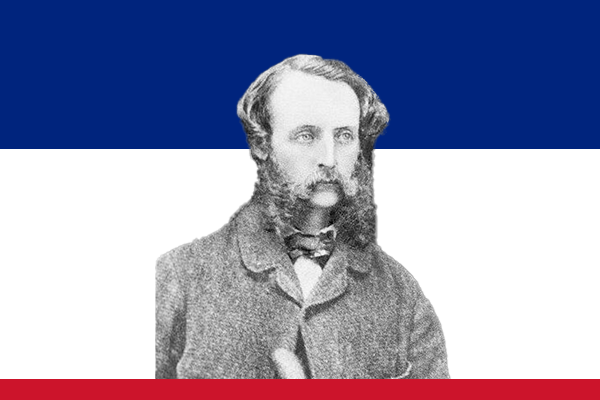
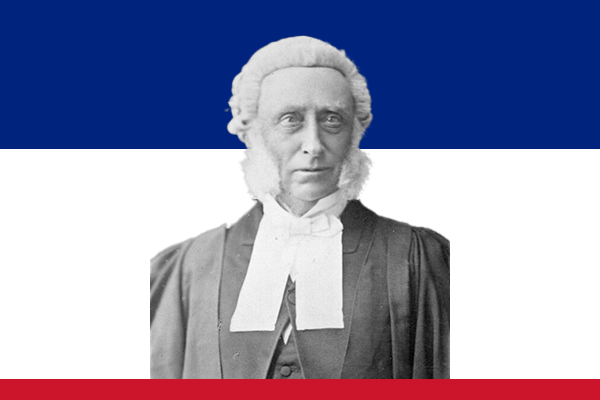
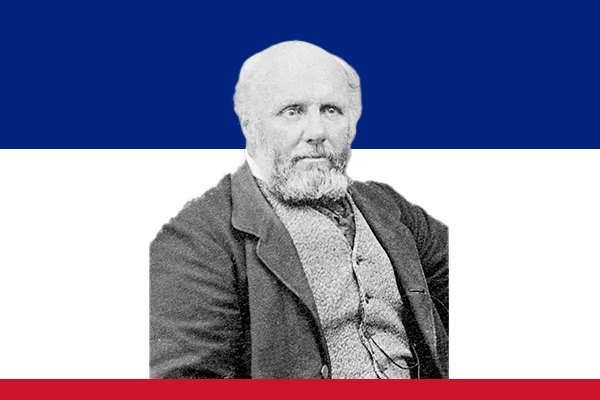
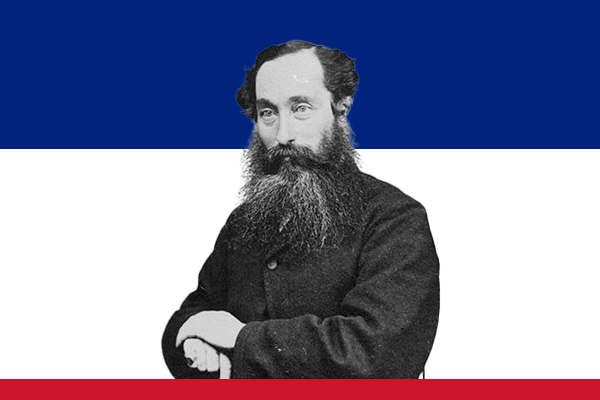
Henry Sewell became the first Prime Minister of New Zealand in 1856, serving for just 13 days. He was followed by other early leaders like Edward Stafford and William Fox, who played crucial roles in shaping the political foundations of the young colony. Their leadership paved the way for the establishment of responsible government, ensuring greater autonomy from British control.
Prominent Leaders in History
Prime Ministers of New Zealand Over the decades, New Zealand has witnessed several influential Prime Ministers who left a lasting legacy. Richard Seddon, often called “King Dick,” served from 1893 to 1906 and became known for his progressive policies and social reforms. William Massey, Prime Minister from 1912 to 1925, guided the country through World War I and laid the foundations for economic development.
Another remarkable leader, Michael Joseph Savage, Prime Minister from 1935 to 1940, introduced the welfare state, transforming New Zealand’s social and economic landscape. His government’s reforms in health, housing, and education set high standards for public welfare.
Modern Prime Ministers
In recent history, Robert Muldoon (1975–1984) became known for his economic interventions and strong leadership style. David Lange (1984–1989) gained recognition for his nuclear-free policy, making New Zealand a pioneer in anti-nuclear advocacy.
Helen Clark, Prime Minister from 1999 to 2008, became the second woman to hold the office and focused on social development, education, and healthcare. John Key (2008–2016) emphasized economic growth and international trade, strengthening New Zealand’s global position.
Recent Leadership
Prime Ministers of New Zealand Jacinda Ardern, serving from 2017 to 2023, gained international acclaim for her compassionate and decisive leadership, particularly during the Christchurch mosque attacks and the COVID-19 pandemic. She promoted kindness, inclusivity, and progressive policies, leaving a lasting legacy.
Currently, Christopher Luxon became the Prime Minister in 2023, focusing on economic revival, law and order, and improving living standards.
Conclusion
The Prime Ministers of New Zealand have shaped the nation through diverse leadership styles and policies. From colonial times to modern governance, they have navigated challenges and opportunities, making New Zealand a respected democracy on the global stage. Each leader’s contribution reflects the country’s political evolution and commitment to progress.