KINGS OF SWEDEN
Kings of Sweden
The monarchy of Sweden is one of the oldest continuous institutions in Europe, with a history that stretches back over a thousand years. Swedish kings have played crucial roles in shaping the nation’s political, cultural, and military development. Over time, the monarchy evolved from a system of powerful warrior kings into a modern constitutional institution that symbolizes unity and national identity.
LIST OT KINGS OF SWEDEN



Early and Medieval Kings
In the early period, Swedish kings ruled as tribal leaders and warriors. One of the most famous early rulers was Eric the Victorious, who is often regarded as the first historically confirmed king. During the medieval era, rulers such as Gustav I Vasa transformed Sweden into an independent nation by leading a successful revolt against Danish rule in the 16th century.
Kings during this time actively led armies, expanded territories, and strengthened centralized authority. They also played a major role in establishing Christianity and building state institutions.
The Swedish Empire
During the 17th century, Sweden emerged as a major European power under strong monarchs. Gustavus Adolphus became one of the most celebrated kings for his military leadership during the Thirty Years’ War. He modernized the army and expanded Sweden’s influence across Europe.
Another notable ruler, Charles XII, continued military campaigns but faced challenges that eventually led to the decline of Sweden’s empire. These kings actively shaped Sweden’s rise and fall as a great power.
Transition to Constitutional Monarchy
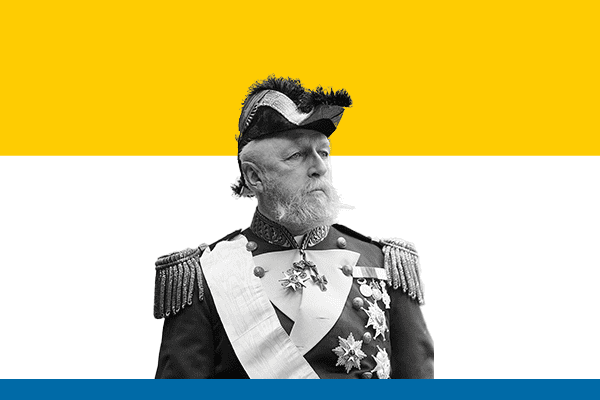
In the 18th and 19th centuries, Sweden underwent significant political changes. The power of the monarchy gradually decreased, and parliamentary governance strengthened. Charles XIV John, the founder of the Bernadotte dynasty, established a stable ruling line that continues today.
Instead of ruling with absolute authority, kings began to adopt more ceremonial roles. The constitution limited their powers, and democratic institutions took precedence in governing the country.
Modern Kings of Sweden
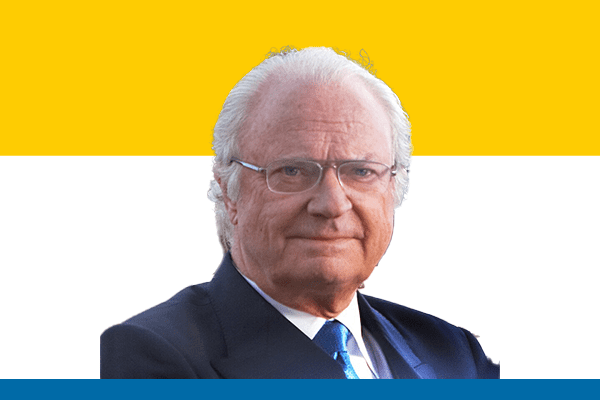
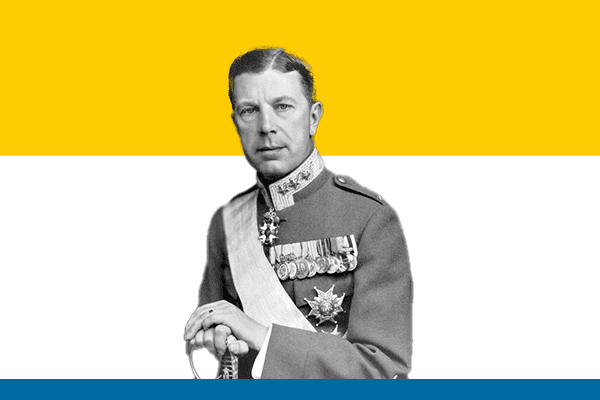
In modern times, Swedish kings serve primarily as symbolic heads of state. Gustaf VI Adolf contributed to maintaining the monarchy’s relevance during a period of modernization. His successor, Carl XVI Gustaf, continues to represent Sweden at home and abroad.
Rather than exercising political control, modern kings actively promote national unity, cultural heritage, and international cooperation. They participate in official ceremonies, state visits, and public engagements.
Role and Significance Today
Today, the Swedish monarchy operates under a constitutional framework where the king has no direct political power. However, the institution remains an important symbol of continuity and tradition. The royal family engages with the public, supports charitable causes, and represents Sweden globally.
The monarchy has adapted to modern values, including gender equality, as seen in the succession of Crown Princess Victoria. This adaptability ensures its continued relevance in contemporary society.
Conclusion
The kings of Sweden have played a dynamic role in the country’s history, evolving from powerful rulers to ceremonial figures. Through centuries of change, the monarchy has remained a key part of Sweden’s identity. Today, it stands as a symbol of unity, tradition, and national pride.