PRESIDENTS OF THE UNITED STATES
The Presidents of America: Role, Powers, and Significance
The President of the United States is the head of state, head of government, and commander-in-chief of the armed forces. Serving as the most powerful elected official in the country, the president holds immense responsibility and influence over both domestic and international affairs. The office represents the leadership and unity of the nation and is a symbol of American democracy worldwide.
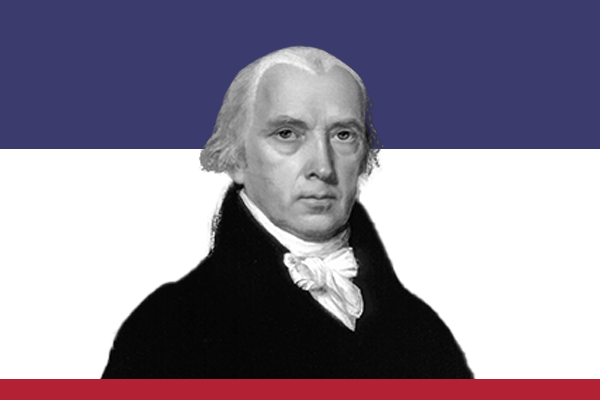
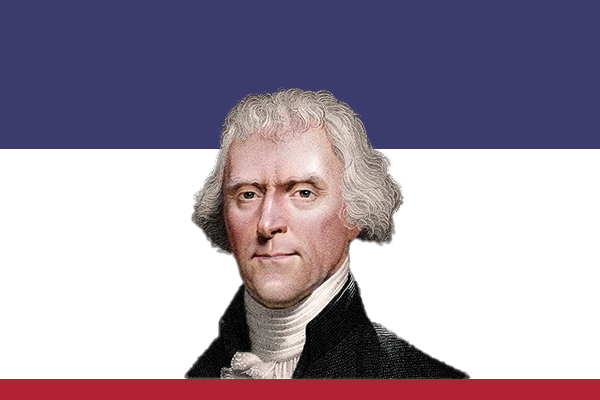
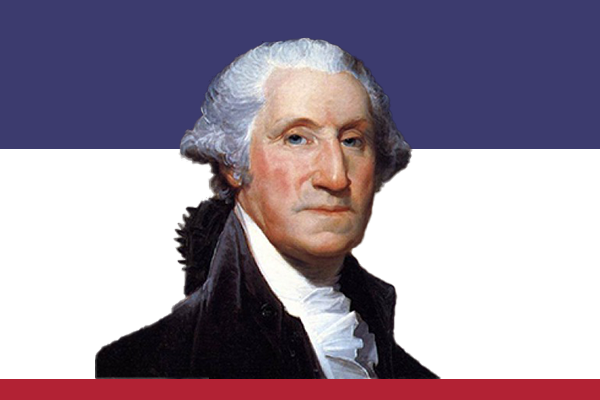
LIST OF PRESIDENTS OF THE UNITED STATES



Constitutional Role and Powers
The presidency was established by the U.S. Constitution in 1787 as part of the new federal government. The Constitution grants the president several key powers and duties, designed to balance authority between the executive, legislative, and judicial branches. Among these powers, the president enforces laws passed by Congress, appoints federal officials and judges (including Supreme Court justices, with Senate approval), negotiates treaties, and acts as commander-in-chief of the military.
The president can veto legislation, although Congress may override a veto with a two-thirds majority in both houses. This system ensures a balance of power. Additionally, the president has the power to issue executive orders, which direct government operations and policies without requiring congressional approval. However, these orders must align with existing law and can be challenged in courts.
Election and Term
The president is elected every four years through the Electoral College system. Voters in each state cast ballots for electors who pledge to vote for particular candidates. To win, a candidate must secure a majority of electoral votes—currently at least 270 out of 538.
A president can serve a maximum of two terms, totaling eight years in office. This limitation was established by the 22nd Amendment in 1951, following Franklin D. Roosevelt’s unprecedented four-term presidency. The amendment was intended to prevent excessive concentration of power and promote democratic rotation in leadership.
Responsibilities and Duties of the presidents of America
The president’s responsibilities cover a broad spectrum. Domestically, the president proposes a federal budget, sets legislative priorities, and works with Congress to enact laws addressing issues such as the economy, healthcare, education, and national security. The president also oversees the executive branch departments and agencies responsible for implementing laws and managing public programs.
Internationally, the president directs U.S. foreign policy, represents the country in diplomatic matters, and negotiates treaties with other nations. Although treaties require Senate ratification, the president’s leadership shapes America’s role on the global stage, including alliances, trade agreements, and military engagements.
As commander-in-chief, the president commands the U.S. armed forces, including the Army, Navy, Air Force, and Marines. While Congress has the power to declare war, the president can deploy troops and conduct military operations to respond swiftly to threats or crises. This role requires balancing military effectiveness with civilian oversight.
Influence and Symbolism
Beyond formal powers, the president serves as a national symbol of unity, embodying the country’s values and aspirations. The president’s speeches, public appearances, and decisions carry immense weight, influencing public opinion and political discourse. The ability to communicate effectively and inspire citizens is a crucial part of presidential leadership.
Presidents often face intense scrutiny from the media, political opponents, and the public. They must navigate complex challenges, such as economic crises, social movements, international conflicts, and unexpected emergencies. How presidents respond to these challenges shapes their legacy and affects the country’s future.
Historical Significance of the presidents of America
Throughout U.S. history, presidents have shaped the nation’s trajectory during pivotal moments. George Washington, the first president, established many executive traditions. Abraham Lincoln preserved the Union during the Civil War and ended slavery. Franklin D. Roosevelt led the country through the Great Depression and World War II. More recently, presidents have addressed issues like civil rights, globalization, terrorism, and technological change.
The office of the presidency continues to evolve as society changes. Modern presidents face new challenges such as cyber security, climate change, and complex international relations. However, the fundamental role remains the same: to serve as the chief executive, policy leader, and representative of the American people.