Edward VII
Coronation: 9 August 1902
Reign: 22 January 1901 – 6 May 1910
Home State: Buckingham Palace
Lifespan: 1841–1910
Country: United Kingdom
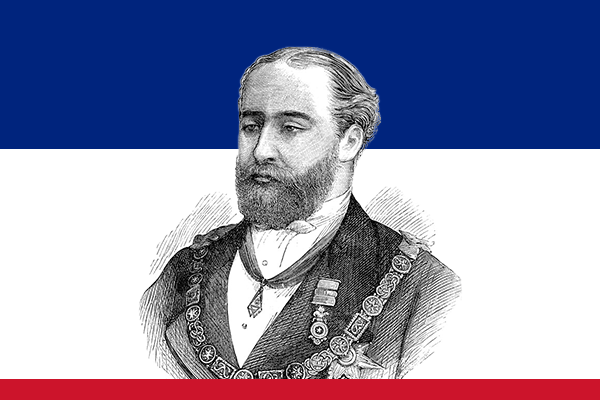
Early Life of King Edward VII
King Edward VII was born on November 9, 1841, in London as the eldest son of Queen Victoria and Prince Albert. His parents named him Albert Edward, but family and friends called him “Bertie.” He grew up in a strict household where Queen Victoria and Prince Albert emphasized discipline and education. Private tutors taught him languages, history, and literature, while his parents encouraged moral values and intellectual curiosity.
Edward studied at Oxford and Cambridge Universities, where he explored subjects like history and languages. He traveled extensively across Europe as a young man, gaining exposure to various political systems and cultures. These experiences helped him develop diplomatic skills and a cosmopolitan outlook that later benefited him as a monarch.
Marriage and Family Life
Edward married Princess Alexandra of Denmark in 1863. The marriage strengthened ties between Britain and Denmark. Alexandra became a popular figure in Britain, admired for her beauty and charm.
The royal couple had six children: Albert Victor, George (later King George V), Louise, Victoria, Maud, and Alexander John. Although Edward had a reputation for leading a social life filled with parties and leisure, he fulfilled his responsibilities as a father and future king.
Prince of Wales Role
Edward held the title Prince of Wales for most of his life, becoming the longest-serving heir apparent in British history until that time. Queen Victoria kept him away from direct political power, fearing he might make impulsive decisions. However, Edward built relationships with political leaders and diplomats through his travels.
He represented Britain at official events across Europe, where his charm and fluency in several languages won admiration. He became known as the “Uncle of Europe” because many royal families across the continent were related to him.
Accession to the Throne
Edward became king in 1901 after Queen Victoria’s death, taking the name Edward VII. At the age of 59, he finally assumed responsibilities he had prepared for all his life. The public welcomed him warmly as he promised a new era for Britain.
Reign and Achievements
Edward VII ruled Britain and its empire from 1901 to 1910. He modernized the monarchy by embracing public appearances and supporting charitable causes. His openness contrasted with Queen Victoria’s later years, which many had considered distant and withdrawn.
Edward played a key role in foreign policy. He built friendly relations with France, leading to the Entente Cordiale in 1904, which improved Anglo-French cooperation. His diplomacy helped maintain peace in Europe during a time of rising tensions.
He also encouraged social reforms. Industrial growth and urbanization had created new challenges, and Edward supported measures to improve housing, education, and workers’ conditions.
Personality and Legacy
People admired Edward VII for his charm, sophistication, and sense of style. He became a trendsetter in fashion and manners, influencing society’s upper class. Despite criticism for his lavish lifestyle, he balanced royal duties with personal interests effectively.
Edward’s reign, known as the Edwardian Era, witnessed cultural flourishing in art, architecture, and literature. His efforts to modernize the monarchy and strengthen international diplomacy left a lasting impact on Britain and Europe.
Death and Succession
Edward VII died on May 6, 1910, after a short illness. His son, George V, succeeded him as king. Britain mourned the loss of a monarch who had brought warmth, modernity, and diplomacy to the throne.