George V
Coronation: 22 June 1911
Reign: 6 May 1910 – 20 January 1936
Home State: Marlborough House
Lifespan: 1865–1936
Country: United Kingdom
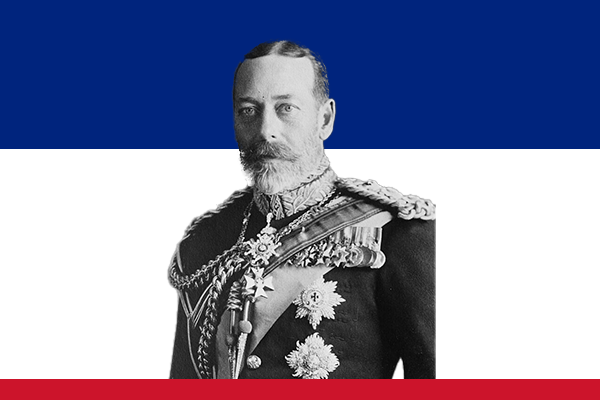
Early Life of King George V
King George V was born on June 3, 1865, in Marlborough House, London. His father, King Edward VII, and mother, Queen Alexandra, raised him with strong values and discipline. George initially ranked second in line to the throne after his elder brother, Prince Albert Victor. George pursued a naval career, serving for many years and gaining practical experience that shaped his leadership qualities.
Accession to the Throne
George became king on May 6, 1910, following the death of his father, Edward VII. He accepted the responsibility with determination and commitment. He adopted the name Windsor for the royal house in 1917, replacing the German-sounding “Saxe-Coburg and Gotha” during World War I to reflect British patriotism. His reign symbolized stability, unity, and adaptation during rapidly changing times.
Leadership During World War I
When World War I broke out in 1914, King George V stood firmly behind Britain and its allies. He visited troops, inspected hospitals, and boosted the morale of soldiers and citizens alike. He encouraged voluntary service and tirelessly supported the war effort. By changing the royal family’s name and distancing them from German connections, he strengthened the monarchy’s bond with the British people during the crisis.
Political and Social Reforms
King George V respected constitutional monarchy principles and worked harmoniously with elected governments. He oversaw significant political reforms, including the Parliament Act of 1911, which limited the House of Lords’ powers. He accepted Ireland’s partition in 1921, which created Northern Ireland and the Irish Free State. He also promoted better labor relations, believing industrial harmony benefited the nation.
Modernization of the Monarchy
George modernized royal traditions to connect with ordinary citizens. He introduced the annual Christmas broadcast in 1932, reaching millions of people through radio. He also adopted simpler royal ceremonies, making the monarchy more relatable and accessible. By embracing modernization, he strengthened public support for the royal family.
Personal Life and Family
King George V married Princess Mary of Teck in 1893. They raised six children, including the future kings Edward VIII and George VI. Known for his strict discipline and sense of duty, George also cherished family life. He spent much time at Sandringham Estate, enjoying shooting, stamp collecting, and country pursuits.
Later Years and Death
The king’s health declined in the late 1920s due to heavy smoking and stress. Despite illness, he continued his royal duties until his death on January 20, 1936, at Sandringham House. His second son, George VI, succeeded him after Edward VIII abdicated the same year.
Legacy of King George V
King George V left a lasting legacy as a monarch who adapted to modern challenges while preserving tradition. He united the nation during war, supported constitutional reforms, and brought the monarchy closer to the people. His reign marked the transition from imperial grandeur to a more democratic, people-oriented monarchy that continues today.