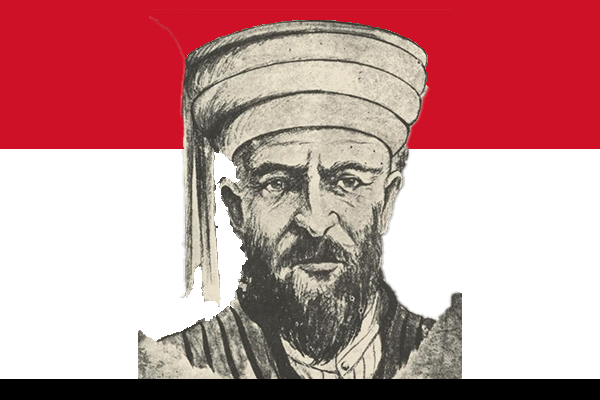
Early Life and Religious Background
Imam Yahya Hamiduddin was born in 1869 into the respected Hamiduddin family, which traced its lineage to the Prophet Muhammad through the Zaydi Shia tradition. From a young age, he received a rigorous education in Islamic jurisprudence, theology, and Arabic scholarship. His upbringing prepared him for leadership within the Zaydi imamate, a system in which religious learning and moral authority formed the basis of political legitimacy.
His father, Imam Muhammad al-Mansur, led resistance against Ottoman control in Yemen. Through this environment, Yahya developed strong anti-imperial views and a determination to restore local rule based on Zaydi principles.
Rise to Power
After years of conflict between Yemeni forces and the Ottoman Empire, Imam Yahya emerged as a key leader of resistance. When the Ottoman Empire collapsed at the end of World War I, Yahya seized the opportunity to declare Yemen’s independence in 1918. He assumed the title of Imam and King, establishing the Mutawakkilite Kingdom of Yemen.
His rise marked the end of centuries of foreign domination and the beginning of centralized Yemeni rule under indigenous leadership.
Governance and Administrative Style
King Imam Yahya ruled Yemen with a highly centralized and traditional system of governance. He relied heavily on tribal alliances, religious scholars, and family members to maintain authority. His rule emphasized Islamic law, local customs, and loyalty to the imamate.
While he maintained order and unity in a deeply tribal society, his resistance to modern administrative reforms drew criticism. He limited Western influence, discouraged modern education, and kept infrastructure development minimal. Imam Yahya believed that rapid modernization could weaken Yemen’s religious identity and social cohesion.
Foreign Policy and International Relations
Imam Yahya pursued a cautious and pragmatic foreign policy. He sought international recognition for Yemen while preserving its independence. He negotiated treaties with neighboring powers, including Saudi Arabia, to define borders and reduce conflict.
At the same time, he avoided close alignment with colonial powers, remaining suspicious of foreign intervention. His diplomacy helped Yemen maintain sovereignty during a period when much of the Arab world remained under colonial rule.
Opposition and Internal Challenges
Despite his achievements, Imam Yahya faced growing opposition from reformists, intellectuals, and military officers. Many criticized his authoritarian style and resistance to modernization. Secret reform movements emerged, calling for constitutional governance, education reforms, and economic development.
These tensions culminated in 1948, when Imam Yahya was assassinated during a failed constitutional uprising. Although the revolt did not immediately succeed, it exposed the deep desire for political change in Yemen.
Legacy and Historical Significance
King Imam Yahya Hamiduddin left a complex legacy. He is remembered as the founder of independent North Yemen and a leader who safeguarded Yemeni sovereignty during a vulnerable era. His commitment to tradition preserved Yemen’s religious and cultural identity.
However, his reluctance to embrace reform delayed modernization and contributed to future instability. His reign set the stage for later political struggles that eventually ended the imamate system in 1962.
Conclusion
King Imam Yahya Hamiduddin remains a pivotal figure in Yemeni history. His leadership bridged the gap between imperial rule and national independence, shaping Yemen’s political identity for decades. Though controversial, his impact on Yemen’s statehood and sovereignty is undeniable.