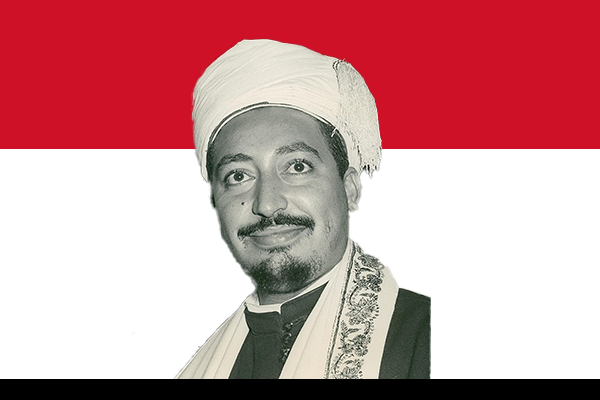
Early Life and Background
Muhammad al-Badr was born in 1926 into the ruling Hamid al-Din dynasty, which had governed Yemen for centuries under the Zaydi imamate system. His father, Imam Ahmad bin Yahya, ruled with strict authority and resisted rapid modernization. Al-Badr received religious and political education befitting an heir to the throne, while also being exposed to limited modern ideas. This dual influence shaped his outlook, making him more reform-minded than his father, yet still committed to the imamate’s legitimacy.
Rise to the Throne
In September 1962, following the death of Imam Ahmad, Muhammad al-Badr became king and imam of Yemen. His accession occurred at a time of deep unrest. Many Yemenis, especially military officers and intellectuals, demanded reform, constitutional governance, and an end to absolute rule. Although al-Badr announced intentions to modernize the state and introduce gradual reforms, opposition forces had already mobilized against the monarchy.
The 1962 Revolution
Only days after his coronation, a group of republican officers launched a coup in Sana’a, declaring the Yemen Arab Republic. The revolution was inspired by Arab nationalism and supported by regional powers favoring republicanism. Al-Badr narrowly escaped assassination during the attack on the royal palace and fled into the northern mountains. The overthrow of the monarchy marked the formal end of the Mutawakkilite Kingdom of Yemen.
Civil War and Struggle for the Throne
Following the revolution, Yemen plunged into a prolonged civil war between royalist forces loyal to King Muhammad al-Badr and republican forces supporting the new regime. Al-Badr led resistance efforts from tribal strongholds, relying on traditional alliances and external support. Despite his determination, the royalist cause gradually weakened. The conflict devastated Yemen, causing heavy casualties and deep social divisions.
Exile and Later Life
By the late 1960s, the royalist struggle effectively collapsed, and Muhammad al-Badr went into permanent exile. He lived quietly outside Yemen, largely withdrawn from political life. Over time, the new republican system consolidated its authority, and international recognition of the monarchy faded. Al-Badr remained a symbolic figure for monarchist supporters but played no active role in governance.
Historical Significance
King Muhammad al-Badr’s importance lies not in the length of his reign, but in what it represented. His fall marked the end of centuries of imamate rule in Yemen and the transition toward republican governance. His story reflects the broader regional shift away from traditional monarchies toward nationalist and revolutionary movements during the Cold War era.
Conclusion
King Muhammad al-Badr stands as a pivotal figure at the crossroads of Yemen’s past and future. His brief reign and subsequent exile symbolize the dramatic transformation of Yemeni society and politics. Though history remembers him as the last king, his legacy endures as a reminder of a nation struggling to redefine itself amid change, conflict, and modern aspirations.