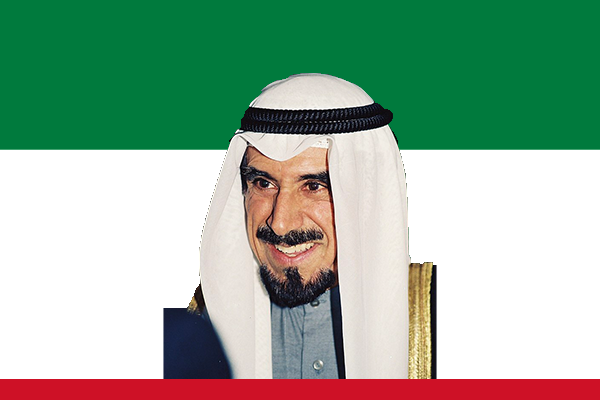
Early Life and Background
Jaber Al-Ahmad Al-Sabah was born on June 29, 1926, into the ruling Al-Sabah family, which has governed Kuwait since the 18th century. His father, Ahmad Al-Jaber Al-Sabah, was also the ruler of Kuwait from 1921 to 1950.
Growing up in a royal family, Jaber received education in religion, Arabic language, politics, and leadership. From a young age, he was trained to take part in government responsibilities. His early exposure to governance helped him develop strong administrative and leadership skills.
Early Political Career
Jaber Al-Sabah began his political career in 1949 when he was appointed head of the Public Security Department. Later, he became the head of the Finance Department in 1959. This position was extremely important because Kuwait’s oil wealth was growing rapidly, and proper financial management was necessary.
He played a major role in organizing Kuwait’s financial system and establishing modern economic institutions. In 1965, he became the Prime Minister of Kuwait, and in 1966, he was named Crown Prince.
These roles prepared him for his future as Emir.
Becoming the Emir of Kuwait
In 1977, after the death of Emir Sabah Al-Salem Al-Sabah, Jaber became the Emir of Kuwait. His leadership focused on economic growth, infrastructure development, healthcare, education, and foreign relations.
He worked to improve the quality of life for Kuwaiti citizens. Under his rule, Kuwait invested heavily in public services, housing, hospitals, and schools.
He also promoted peace and cooperation with other countries.
Leadership During the Iraqi Invasion
One of the most challenging moments of his leadership came in August 1990, when Iraq invaded Kuwait. This was a national crisis, and the country was occupied.
Emir Jaber left Kuwait and went to Saudi Arabia, where he formed a government in exile. He worked closely with international allies to gain support for Kuwait’s liberation.
In 1991, Kuwait was successfully liberated with the help of international forces. Emir Jaber returned to Kuwait and began rebuilding the country.
His leadership during this crisis earned him great respect both at home and internationally.
Achievements and Contributions
Emir Jaber made many important contributions to Kuwait, including:
- Strengthening Kuwait’s economy
- Developing modern infrastructure
- Improving education and healthcare
- Supporting humanitarian causes
- Promoting peace and diplomacy
He was known for his generosity and helped many countries through financial aid and humanitarian support.
Death and Legacy
Jaber Al-Ahmad Al-Sabah died on January 15, 2006, at the age of 79. His death was deeply mourned by the people of Kuwait and leaders around the world.
He left behind a strong, modern, and stable Kuwait. His leadership helped transform Kuwait into one of the most developed countries in the region.
He is remembered as a leader who guided his nation through peace and war with courage, wisdom, and dedication.
Conclusion
King Jaber Al-Ahmad Al-Sabah was one of Kuwait’s greatest leaders. His vision, leadership, and commitment helped shape modern Kuwait. From economic development to national liberation, his contributions were historic.