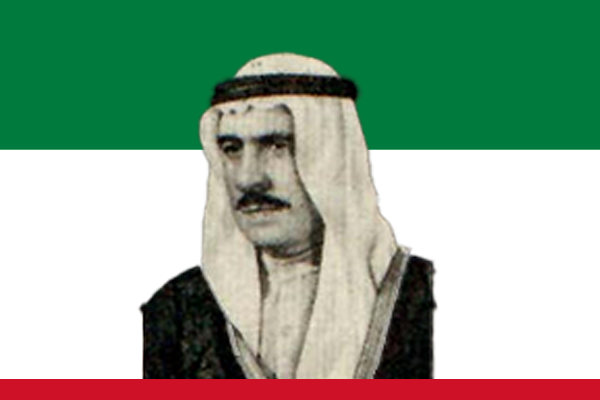
Early Life and Background
Mubarak Al-Sabah was born in 1837 into the ruling Al-Sabah family, which had governed Kuwait since the 18th century. He was the son of Sheikh Sabah II. From an early age, Mubarak was involved in military and political affairs. He gained valuable experience in administration and defense, which later helped him become an effective ruler.
Before becoming ruler, he participated in military campaigns and developed strong leadership skills. His exposure to regional politics helped him understand the threats and opportunities facing Kuwait.
Rise to Power
In 1896, Mubarak Al-Sabah became the ruler of Kuwait after a dramatic power struggle within the ruling family. His rise to power was controversial, but once he became ruler, he focused on strengthening Kuwait and securing its future.
Mubarak Sabah Al-Jaber Al-Sabah understood that Kuwait needed strong allies to survive in a region dominated by powerful empires. His political decisions proved to be crucial for Kuwait’s survival.
Alliance with Britain
One of Mubarak Al-Sabah’s most important achievements was signing the Anglo-Kuwaiti Agreement in 1899 with Britain. This agreement placed Kuwait under British protection in foreign affairs in exchange for security guarantees.
This alliance protected Kuwait from external threats, especially from the Ottoman Empire and regional rivals. It also ensured Kuwait’s autonomy and prevented foreign powers from taking control.
This strategic decision helped Kuwait maintain its identity and independence.
Modernization and Development
Mubarak Al-Sabah worked to strengthen Kuwait internally. He improved governance, strengthened defense, and ensured political stability. His leadership helped Kuwait grow as an important trading center in the Persian Gulf.
He also maintained balance between tribal leaders, merchants, and foreign powers. His diplomatic skills ensured peace and stability during his reign.
His policies created a strong foundation for Kuwait’s future development.
Leadership Style and Personality
Mubarak Al-Sabah was known for his courage, intelligence, and political wisdom. He was a strong and decisive leader who made bold decisions when needed.
Because of his achievements, he earned the title “Mubarak the Great.” His leadership protected Kuwait during a difficult and uncertain period.
He was respected both inside Kuwait and internationally.
Death and Legacy
Mubarak Al-Sabah died in 1915, leaving behind a secure and stable Kuwait. His successors continued to build upon the foundation he created.
His legacy remains strong today. He is remembered as the ruler who ensured Kuwait’s survival and independence.
His decisions shaped Kuwait’s modern political system and foreign relations.
Conclusion
King Mubarak Sabah Al-Jaber Al-Sabah was one of the most important leaders in Kuwait’s history. His alliance with Britain, strong leadership, and vision helped secure Kuwait’s independence and future.
He transformed Kuwait into a stable and respected state. His contributions earned him the title “the Great,” and he remains a symbol of strength, wisdom, and nation-building in Kuwait’s history.