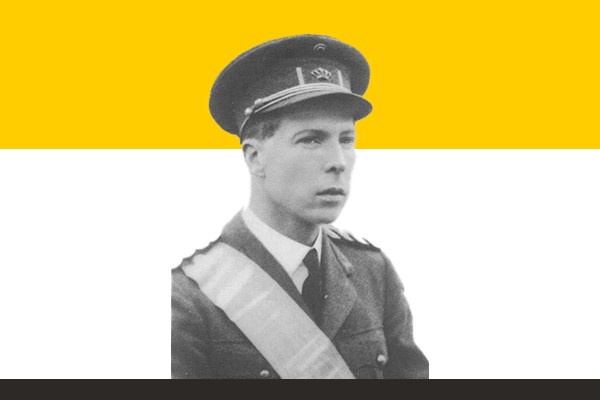
Early Life and Education
King Charles III entered the world on November 14, 1948, at Buckingham Palace, as the first child of Queen Elizabeth II and Prince Philip, Duke of Edinburgh. From the beginning, his life carried the weight of royal expectation. He studied at several prestigious schools, including Cheam, Gordonstoun, and the Timbertop campus in Australia. Charles later pursued archaeology, anthropology, and history at Trinity College, Cambridge, where he earned his degree in 1970. His curiosity and intellect shaped his thoughtful approach to leadership, preparing him for the responsibilities awaiting him.
Prince of Wales and Public Duties
Queen Elizabeth II invested Charles as Prince of Wales in 1969 at Caernarfon Castle. He immediately embraced his role with purpose and enthusiasm. Throughout his decades as heir apparent, he worked tirelessly to promote education, architecture, and environmental sustainability. He founded The Prince’s Trust in 1976, which has helped over a million young people gain skills, education, and employment. King Charles often spoke directly with communities, listening to their struggles and offering practical solutions. His leadership emphasized compassion, service, and innovation, qualities that set him apart as a modern royal.
Marriage and Family Life
In 1981, Charles married Lady Diana Spencer in a ceremony watched by millions worldwide. Their union produced two sons, Prince William and Prince Harry. Despite public attention and personal challenges, Charles maintained his commitment to his duties and his children’s well-being. He encouraged his sons to understand both privilege and responsibility, ensuring they grew up aware of their role in public service. After his divorce from Princess Diana, Charles married Camilla Parker Bowles in 2005. As Queen Consort, Camilla has supported his charitable vision, and together they have presented a unified image of stability and devotion.
Championing Environmental Causes
King Charles has long championed environmental preservation. Decades before climate change became a global priority, he warned about deforestation, pollution, and unsustainable development. He actively promoted organic farming and renewable energy through his own estates and foundations. Charles demonstrated that royal influence can drive awareness and change, inspiring both citizens and governments to take environmental responsibility seriously. His foresight has earned him global respect as a leader committed to a greener future.
Accession to the Throne
When Queen Elizabeth II passed away in September 2022, Charles ascended the throne as King Charles III. He accepted the crown with deep humility and determination to continue his mother’s legacy. His coronation in 2023 symbolized renewal within the British monarchy. As King, Charles has modernized royal traditions while respecting their historical roots. He engages more directly with the public, supports diverse faith communities, and promotes unity across the Commonwealth. His reign reflects a thoughtful balance between tradition and progress.
Vision and Legacy
King Charles III envisions a monarchy that serves as a force for good in the 21st century. He focuses on sustainability, social inclusion, and youth empowerment. Through his continued advocacy, he strengthens connections between the monarchy and the people. His dedication to public service demonstrates a lifelong commitment to improving society. While challenges persist in a changing world, Charles leads with dignity, empathy, and purpose.
Conclusion
King Charles III has transformed from a reflective Prince into a purposeful King. His life blends duty, compassion, and modern leadership. By addressing global issues and engaging with communities, he continues to shape the British monarchy into a more responsive and relevant institution. His reign stands as a bridge between the rich traditions of the past and the aspirations of a sustainable and inclusive future.