Victoria
Coronation: 28 June 1838
Reign: 20 June 1837 – 22 January 1901
Home State: Kensington Palace
Lifespan: 1819–1901
Country: Canada
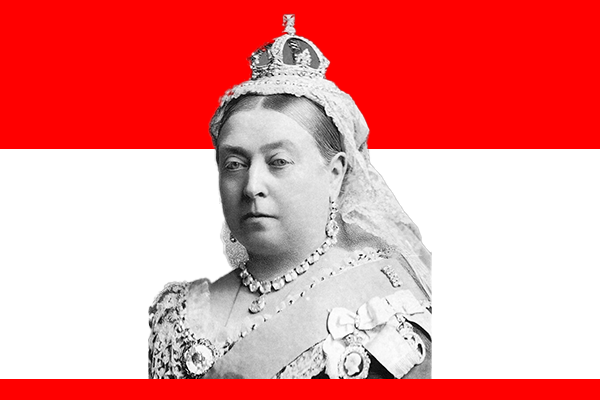
Victoria, Canada: A Beautiful Coastal City
Victoria, the capital city of British Columbia, sits on the southern tip of Vancouver Island in Canada. Known for its mild climate, stunning natural beauty, and vibrant culture, the city attracts visitors from around the world. As one of the oldest cities in the Pacific Northwest, Victoria offers a rich blend of history, modern development, and natural charm.
Historical Background
Victoria has deep historical roots. Indigenous peoples, including the Coast Salish, lived in the region for thousands of years before European explorers arrived. In 1843, the Hudson’s Bay Company established Fort Victoria as a trading post. This fort soon became a hub for settlers, traders, and gold seekers during the Fraser River and Cariboo Gold Rushes.
By 1862, Victoria had grown rapidly and became the capital of the Colony of Vancouver Island. When British Columbia joined Canada in 1871, Victoria was named the provincial capital. The city’s British heritage remains visible today through its architecture, gardens, and traditions.
Geography and Climate
Victoria enjoys a unique geographic location. Surrounded by the Pacific Ocean and close to the United States border, the city boasts stunning ocean views, lush greenery, and mountain backdrops.
The city is famous for having one of the mildest climates in Canada. Winters are generally cool and wet, while summers are warm and dry. Because of this pleasant weather, Victoria is called the “City of Gardens.” Flowers bloom throughout the year, and the city’s parks and gardens attract nature lovers from across the globe.
Economy and Development
Victoria’s economy thrives on tourism, technology, education, and government services. As the provincial capital, it houses many government offices and institutions.
Tourism plays a crucial role in the local economy. Millions of visitors arrive each year to explore the city’s attractions, such as the Butchart Gardens, Royal BC Museum, and Inner Harbour. The technology sector has also grown significantly, earning Victoria the nickname “Tectoria.” With numerous start-ups and tech companies, the city has become a hub for innovation and creativity.
Culture and Education
Victoria celebrates its rich cultural diversity through museums, art galleries, theaters, and festivals. The Royal BC Museum preserves the region’s history and culture, while the Art Gallery of Greater Victoria showcases Canadian and international art. The city is home to several educational institutions, including the University of Victoria and Camosun College. These institutions attract students from Canada and abroad, adding to the city’s multicultural environment.
Tourism and Attractions
Tourism remains one of Victoria’s most vibrant sectors. Visitors enjoy walking around the Inner Harbour, exploring historic buildings like the British Columbia Parliament Buildings and Fairmont Empress Hotel, or taking whale-watching tours along the coast.
The Butchart Gardens is one of the city’s most famous attractions, featuring breathtaking floral displays throughout the year. Outdoor enthusiasts also enjoy biking along the Galloping Goose Trail, hiking in nearby parks, and exploring the scenic coastline.
Transportation and Connectivity
Victoria is well connected by air, sea, and road. The Victoria International Airport links the city with major Canadian and international destinations. Ferry services connect Victoria to Vancouver and the U.S. city of Seattle. Public buses and cycling paths make transportation within the city convenient and eco-friendly.
Conclusion
Victoria, Canada, combines history, natural beauty, modern development, and cultural diversity. Its scenic landscapes, vibrant economy, and rich heritage make it one of Canada’s most attractive cities. Whether for tourism, education, or business, Victoria continues to thrive as a welcoming and dynamic city on Canada’s west coast.