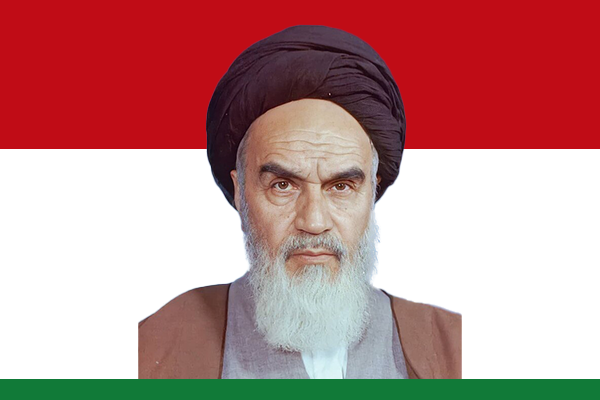
Early Life and Rise to Power
Reza Shah Pahlavi, born in 1878 in the Mazandaran region of Iran, rose from humble origins to become one of the most transformative figures in modern Iranian history. He began his career as a soldier in the Persian Cossack Brigade, where he demonstrated discipline, leadership, and ambition. By the early 1920s, Iran faced political instability, foreign interference, and fragmented authority. Reza Shah seized this moment to assert control. In 1921, he led a successful coup, and his growing influence allowed him to become Iran’s Prime Minister. In 1925, he deposed the Qajar dynasty and established the Pahlavi monarchy, becoming the Shah of Iran.
Modernization and National Reforms
As ruler, Reza Shah placed national modernization at the center of his vision. He believed Iran could reclaim its strength only through rapid, state-driven development. He expanded the nation’s infrastructure by building railway lines, improving roads, and initiating major construction projects. He strengthened the central government by limiting the power of tribal leaders and enforcing a unified national administration.
Reza Shah also reformed the military, creating a strong national army to enhance Iran’s sovereignty. He promoted secular education, established new universities, and encouraged scientific and technical training. His government standardized the legal system by introducing civil and criminal codes inspired by European models. Through these reforms, he aimed to reduce foreign influence and build a modern, independent Iran.
Social and Cultural Transformation
Reza Shah introduced far-reaching cultural reforms that reshaped Iranian society. He encouraged urbanization, expanded public services, and attempted to redefine social norms. His government promoted Western-style clothing and restricted traditional garments in public institutions. He also supported women’s participation in education and public life, laying the early foundation for future social changes.
Foreign Relations and Challenges
Although Reza Shah sought independence from foreign powers, his balancing act between Britain and Germany drew scrutiny during World War II. His inclination toward reducing British and Soviet influence created tensions. In 1941, Allied forces invaded Iran to secure supply routes, and they pressured him to abdicate. He transferred power to his son, Mohammad Reza Pahlavi, and went into exile, where he died in 1944.
Legacy
Reza Shah Pahlavi left a lasting legacy as the ruler who initiated Iran’s transformation into a modern nation-state. His reforms reshaped the country’s political, social, and infrastructural foundations. Although some criticized his authoritarian methods, many credit him with setting Iran on the path to modernization and national revival.