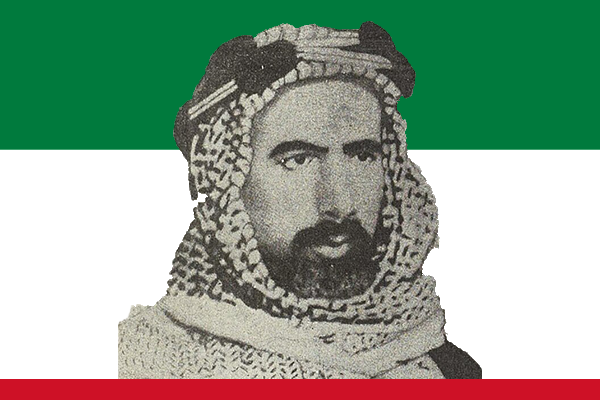
Early Life and Family Background
Salem Mubarak Al-Sabah was born in 1864. He was the son of Mubarak Al-Sabah, who ruled Kuwait from 1896 to 1915 and played a key role in strengthening Kuwait’s political position. Salem grew up in a royal environment where he learned leadership skills, tribal relations, and governance.
As a member of the ruling family, he was actively involved in political and administrative affairs even before becoming Emir. This experience prepared him to lead Kuwait during a challenging period.
Becoming the Emir of Kuwait
he became Emir in 1917 after the death of his brother, Sheikh Jaber II Al-Sabah. His accession came during World War I, when the Middle East was experiencing major political changes.
At that time, Kuwait had strong relations with the British Empire, which provided protection and support. Salem continued this relationship, ensuring Kuwait’s security and political independence.
Major Challenges and Conflicts
One of the biggest challenges Salem Mubarak Al-Sabah faced was the conflict with Ibn Saud, the ruler of Najd (modern Saudi Arabia). Territorial disputes led to tensions and battles between Kuwait and neighboring forces.
The most significant conflict during his reign was the Battle of Jahra in 1920. Kuwaiti forces defended the Red Fort against attackers. Although Kuwait faced difficulties, the leadership of Salem Mubarak Al-Sabah helped protect the country and maintain its sovereignty.
These conflicts were important in shaping Kuwait’s borders and future political stability.
Leadership Style and Governance
Salem Mubarak Al-Sabah was known as a strong and determined leader. He focused on:
- Protecting Kuwait’s independence
- Maintaining internal stability
- Strengthening relations with allies
- Supporting tribal unity
He worked to ensure peace within Kuwait and protect it from external threats. His leadership helped Kuwait survive a difficult period in its history.
Death and Succession
Salem Mubarak Al-Sabah died in 1921. His death marked the end of a short but important reign. After his death, Sheikh Ahmad Al-Jaber Al-Sabah became the new Emir of Kuwait.
Although his reign lasted only four years, his leadership had a lasting impact on Kuwait’s political future.
Legacy and Historical Importance
Salem Mubarak Al-Sabah remains an important figure in Kuwait’s history. His contributions include:
- Defending Kuwait during military conflicts
- Maintaining Kuwait’s independence
- Strengthening the Al-Sabah ruling system
- Providing leadership during regional instability
He is remembered as a brave and committed ruler who protected his nation during difficult times.
Conclusion
Salem Mubarak Al-Sabah played a crucial role in Kuwait’s development during the early 20th century. His leadership during conflicts and political changes helped preserve Kuwait’s sovereignty and stability. Despite ruling for only a few years, his courage and determination left a lasting legacy. Today, he is remembered as one of the important rulers who contributed to Kuwait’s survival and future growth.