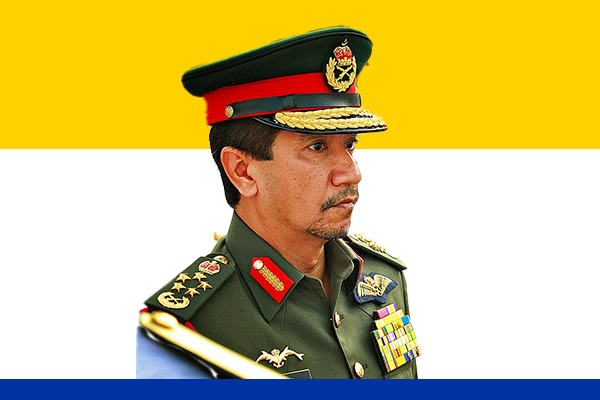
King Sultan Mizan Zainal Abidin, born on 22 January 1962 in Terengganu, Malaysia, is a prominent figure in Malaysian royalty and has made significant contributions to the nation both as the Sultan of Terengganu and as the 13th Yang di-Pertuan Agong (King) of Malaysia. His full name is Sultan Mizan Zainal Abidin ibni Almarhum Sultan Mahmud Al-Muktafi Billah Shah, and he hails from the royal family of Terengganu, a lineage renowned for its dedication to leadership, culture, and religious values.
Sultan Mizan received his early education in Terengganu and later continued his studies at the Malay College Kuala Kangsar, a prestigious institution known for grooming Malaysia’s future leaders. Demonstrating a strong interest in technical and scientific fields, he pursued higher education in the United Kingdom, earning a degree in marine technology. His academic background reflects his commitment to integrating modern knowledge with traditional royal responsibilities, which has been a hallmark of his reign.
In 1998, following the demise of his father, Sultan Mahmud Al-Muktafi Billah Shah, Mizan Zainal Abidin ascended to the throne as the Sultan of Terengganu. His coronation marked the beginning of a period characterized by modernization and socio-economic development within the state. Sultan Mizan emphasized education, infrastructure development, and environmental conservation, understanding the importance of progressive policies for the well-being of his subjects. Under his leadership, Terengganu saw advancements in education programs, cultural initiatives, and the promotion of local industries, particularly those supporting the traditional crafts and maritime economy of the region.
Beyond his role in Terengganu, Sultan Mizan Zainal Abidin served as the 13th Yang di-Pertuan Agong of Malaysia from 26 April 2006 to 12 December 2011. As King, he played a vital role in upholding Malaysia’s constitutional monarchy, emphasizing unity and harmony among the diverse ethnic and religious communities in the country. His tenure was marked by advocacy for education, youth empowerment, and sustainable development. Sultan Mizan often represented Malaysia on international platforms, fostering diplomatic relations and promoting the country’s culture and heritage globally.
Sultan Mizan is also recognized for his active involvement in charitable and social initiatives. He supports numerous foundations dedicated to education, health care, and cultural preservation, reflecting his commitment to social responsibility. Additionally, he has been instrumental in promoting Islamic values while encouraging interfaith understanding, balancing tradition with the needs of a modern, multi-ethnic society.
Throughout his reign, Sultan Mizan Zainal Abidin has exemplified leadership that blends tradition with progress. His dedication to the welfare of his people, his efforts in promoting education and sustainable development, and his role in maintaining national unity have earned him respect both domestically and internationally. Today, he continues to serve as a guiding figure in Terengganu, inspiring future generations to embrace knowledge, cultural pride, and responsible citizenship.
In conclusion, King Sultan Mizan Zainal Abidin’s life and reign reflect a harmonious integration of tradition and modernity. His contributions as Sultan of Terengganu and as Malaysia’s 13th King highlight a commitment to development, education, and unity. His leadership serves as an enduring example of how monarchy can play a constructive role in nation-building and cultural preservation.