Kings of Australia

Australia, as a constitutional monarchy, recognizes the monarch of the United Kingdom as its sovereign. While Australia does not have native kings of its own, the country’s head of state has historically been the British monarch. This list highlights the kings who have held the title in Australia since it became a federation in 1901.

LIST OF KINGS OF AUSTRALIA

="timeline-item"
George III

King George III ruled Great Britain and its dominions, including the Australian territories, from 1760 until his death in 1820. His reign saw the loss of the American colonies, but he also oversaw the expansion of British influence worldwide. George III is remembered for his long and eventful rule, which included periods of mental illness. His legacy influenced the British monarchy’s role in colonial governance, laying the foundation for future monarchs in Australia.

="timeline-item"
George IV

George IV, born on August 12, 1762, was King of the United Kingdom of Great Britain and Ireland from 1820 until his death on June 26, 1830. Before becoming king, he served as Prince Regent during his father George III’s illness. George IV is remembered for his extravagant lifestyle, patronage of the arts, and influence on Regency-era architecture and culture. His reign left a lasting cultural legacy despite political controversies.

="timeline-item"
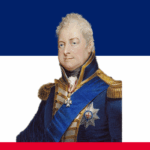
William IV

King William IV, born on August 21, 1765, reigned over the United Kingdom and its colonies, including Australia, from 1830 until his death on June 20, 1837. Known as the “Sailor King” due to his naval career, he oversaw important reforms, including changes in parliamentary representation. His reign helped shape early Australian colonial governance, strengthening ties between the colonies and the Crown during a period of social and political transformation.

="timeline-item"
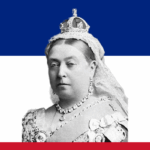
Victoria

Queen Victoria (1819–1901) ruled the United Kingdom and its dominions, including Australia, from 1837 until her death in 1901. Her reign, known as the Victorian Era, was marked by industrial, cultural, and political change, as well as the expansion of the British Empire. In Australia, she symbolized the continuity of the monarchy and inspired loyalty among settlers. Her long reign of 63 years made her one of the most influential monarchs in history.

="timeline-item"
Edward VII

King Edward VII was born on November 9, 1841, and died on May 6, 1910. He became King of the United Kingdom and the Dominions, including Australia, in 1901 after the death of Queen Victoria. His reign marked the early years of the Australian federation, during which he played a symbolic role in national ceremonies and helped establish the monarchy’s presence in the newly unified country.

="timeline-item"
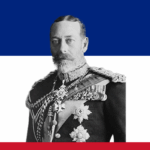
George V

King George V reigned as King of the United Kingdom and Australia from 1910 to 1936. Born on June 3, 1865, he guided Australia through World War I, strengthening ties with the British monarchy. His leadership and public presence during challenging times earned him respect across the empire. George V passed away on January 20, 1936, leaving a legacy of stability and dedication to duty that shaped Australia’s early 20th-century history.

="timeline-item"
Edward VIII

King Edward VIII, born on June 23, 1894, became King of Australia and the United Kingdom in January 1936. His reign lasted less than a year, as he abdicated in December 1936 to marry Wallis Simpson, an American divorcée, causing a major constitutional crisis. Despite his brief tenure, Edward VIII remains a notable figure in Australian and British history, remembered for prioritizing personal choice over royal duty. He died on May 28, 1972.

="timeline-item"
George VI

King George VI, born on December 14, 1895, became King of Australia and the United Kingdom in 1936 after his brother Edward VIII abdicated. He led the nation through World War II, inspiring Australians with his speeches and visits. Known for his dedication and sense of duty, he strengthened the symbolic role of the monarchy in Australia. George VI passed away on February 6, 1952, leaving a legacy of resilience and service.

="timeline-item"
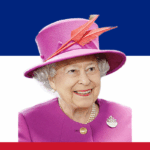
Elizabeth II

Queen Elizabeth II was born on April 21, 1926, and passed away on September 8, 2022. She became the monarch of the United Kingdom and Australia in 1952, reigning for 70 years, the longest of any British monarch. Elizabeth II guided Australia through decades of political and social change, performing ceremonial duties and symbolizing national unity. Her steady presence and dedication made her a beloved figure across the Commonwealth.

="timeline-item"
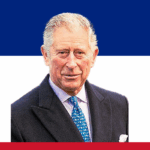
Charles III

King Charles III (born 14 November 1948) became the King of Australia following the death of his mother, Queen Elizabeth II, in 2022. As the current monarch, he serves as the ceremonial head of state, representing continuity in Australia’s constitutional monarchy. His role is largely symbolic, involving official duties, national events, and fostering unity across the country. Charles III continues the long tradition of British monarchs serving as Australia’s sovereign.

List of Kings of Australia

King Edward VII (1901–1910)

Edward VII became King of the United Kingdom and the Dominions, including Australia, in 1901 following the death of his mother, Queen Victoria. His reign marked the early years of the Australian federation, establishing the symbolic role of the monarch in the country’s governance.

King George V (1910–1936)

George V reigned during a period that included World War I. He strengthened the connection between Australia and the British monarchy, participating in national ceremonies and endorsing the country’s war efforts. His leadership solidified Australia’s loyalty to the Crown during turbulent global times.

King Edward VIII (1936)

Edward VIII’s reign was short-lived, lasting less than a year. He famously abdicated the throne to marry Wallis Simpson, an American divorcée, causing a constitutional crisis. Despite the brief tenure, he remained the King of Australia during those months.

King George VI (1936–1952)

George VI, Edward VIII’s younger brother, became king after the abdication. His reign included World War II, during which he inspired Australians with his speeches and support for the war effort. He played an important ceremonial role, strengthening national morale during difficult times.

Queen Elizabeth II (1952–2022)

Although not a king, Queen Elizabeth II ruled as Australia’s monarch for seventy years. Her reign saw significant political and social changes in the country, and she remained a unifying figurehead for Australians.

King Charles III (2022–Present)

Following the passing of Queen Elizabeth II, King Charles III ascended to the throne. As the current King of Australia, he continues the ceremonial and symbolic duties of the monarchy, representing continuity in the nation’s constitutional framework.

List of Kings of Australia have primarily been British monarchs who serve as symbolic heads of state. Their influence is largely ceremonial, with the real political power residing in Australia’s elected government. Yet, their presence continues to be a significant part of Australia’s history and identity.

Back to top of page