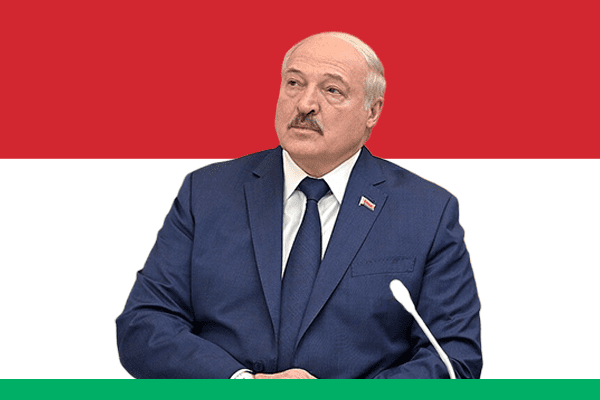
Early Life and Education
Alexander Grigoryevich Lukashenko was born on August 30, 1954, in the village of Kopys, Belarus, which was then part of the Soviet Union. He grew up in a modest family and developed a strong interest in politics and public service during his youth. He attended the Mogilev Pedagogical Institute and later graduated from the Belarusian Agricultural Academy.
Before entering national politics, Lukashenko worked in several positions, including roles in the Soviet Army and agricultural management. His experiences in farming and administration helped him build an image as a practical and disciplined leader.
Entry into Politics
Lukashenko entered politics during the final years of the Soviet Union. In 1990, he won a seat in the Belarusian parliament. He quickly gained attention for his outspoken criticism of corruption and inefficiency within government institutions.
His anti-corruption campaign made him popular among ordinary citizens. In 1994, Belarus held its first presidential election after gaining independence from the Soviet Union. Lukashenko won the election with strong public support and became the country’s first president.
Leadership and Governance
As president, Lukashenko centralized power and strengthened state control over the economy. Unlike many former Soviet republics, Belarus kept large industries under government ownership. Lukashenko argued that this approach protected jobs and prevented economic instability.
He built close political and economic ties with Russia, especially with Russian leaders such as Vladimir Putin. Belarus and Russia cooperate in trade, defense, and energy policies.
Lukashenko also focused on agriculture, manufacturing, and social welfare programs. Under his leadership, the government maintained low unemployment rates and provided state-supported healthcare and education. However, critics argue that his policies limited private enterprise and slowed economic modernization.
Human Rights and Political Criticism
Alexander Lukashenko has faced strong criticism from Western countries and international organizations. Opponents accuse his government of suppressing political opposition, restricting freedom of speech, and controlling the media.
Several elections in Belarus sparked controversy because opposition groups and international observers questioned their fairness. Large protests occurred after the 2020 presidential election, when Lukashenko claimed victory for another term. Protesters demanded political reforms and fair elections.
The government responded with strict security measures and arrests of opposition activists. Many Western nations imposed sanctions on Belarusian officials and criticized Lukashenko’s leadership style.
International Relations
Lukashenko plays an important role in regional politics because Belarus lies between Russia and European countries. He often balances relationships between East and West while protecting Belarusian interests.
His close partnership with Russia became even more significant during periods of political tension in Eastern Europe. Belarus has also participated in regional economic and military alliances led by Russia.
Despite criticism from Western governments, Lukashenko continues to maintain influence within Belarus and remains a key figure in post-Soviet politics.
Legacy and Influence
Alexander Lukashenko’s long presidency has shaped modern Belarus in many ways. He created a centralized political system and maintained stability during periods of economic uncertainty. His leadership style emphasizes order, state authority, and national control.
At the same time, debates continue over democracy, civil rights, and political freedom in Belarus. Supporters praise his focus on stability and social welfare, while critics argue that he limits democratic development.
Conclusion
Alexander Lukashenko remains one of the most influential and controversial leaders in Europe. His decades-long rule has deeply affected Belarusian politics, society, and international relations. Whether viewed as a stabilizing leader or an authoritarian ruler, his impact on Belarusian history is undeniable.