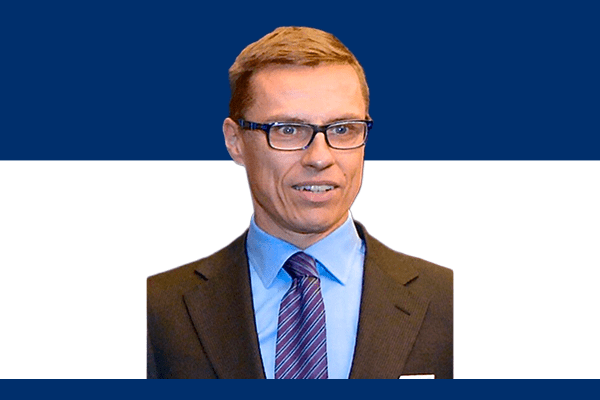
Early Life and Education
Alexander Stubb was born on April 1, 1968, in Helsinki, Finland. He grew up in a family that valued education and public service. From an early age, he showed interest in sports, languages, and international affairs. He completed his education at several respected institutions in Europe and the United States.
Stubb earned degrees in political science and international relations, which helped him build a strong understanding of global politics. He studied in Finland, France, Belgium, and the United Kingdom, gaining valuable international experience. His educational background prepared him for a career in diplomacy and politics.
Beginning of Political Career
Alexander Stubb began his professional career as a researcher and advisor on European Union affairs. He worked with the Finnish government and European institutions, focusing on international cooperation and policy development. His expertise in European politics quickly earned him recognition.
In 2004, Stubb became a Member of the European Parliament. During his time there, he actively supported European integration, free trade, and international collaboration. His strong debating skills and modern political approach increased his popularity among voters.
Rise in Finnish Politics
After returning to Finland, Stubb joined the national government and held several important ministerial positions. In 2008, he became Finland’s Minister for Foreign Affairs. In this role, he strengthened Finland’s international relationships and promoted peace, security, and diplomacy.
Later, he served as Minister for European Affairs and Trade, where he focused on economic development and cooperation within the European Union. In 2014, he became the Prime Minister of Finland. As prime minister, he encouraged innovation, economic reforms, and modernization.
Stubb emphasized active leadership and open communication. Instead of avoiding difficult decisions, he directly addressed economic challenges and promoted reforms that aimed to improve Finland’s competitiveness.
Leadership Style and Political Vision
Alexander Stubb is widely known for his energetic and modern leadership style. He frequently communicates with citizens through public events, interviews, and social media platforms. His approachable personality has helped him connect with younger generations.
He strongly supports international cooperation and believes Finland should remain active in global organizations such as the European Union and NATO. He advocates for democracy, human rights, environmental protection, and technological advancement.
Stubb also encourages education and innovation as key drivers of economic growth. He believes Finland can succeed by investing in research, digital technology, and sustainable development.
Presidency of Finland
Alexander Stubb became the President of Finland after winning the presidential election in 2024. As president, he represents Finland internationally and plays a major role in foreign and security policy. He works closely with the Finnish government to strengthen national security and maintain international partnerships.
His presidency reflects Finland’s commitment to democracy, cooperation, and global engagement. He actively participates in international discussions and supports peace and stability in Europe.
Personal Life and Interests
Outside politics, Alexander Stubb enjoys sports and fitness. He has participated in marathons and triathlons, demonstrating his disciplined lifestyle. He also values family life and often speaks about the importance of balance between work and personal responsibilities.
In addition to Finnish, he speaks several languages, including English, French, German, and Swedish. His multilingual abilities help him communicate effectively on the global stage.
Conclusion
Alexander Stubb has built a successful career through active leadership, international experience, and dedication to public service. From his early work in European politics to his role as President of Finland, he has consistently promoted cooperation, innovation, and democratic values. His modern approach to leadership continues to influence Finland’s political and international position.