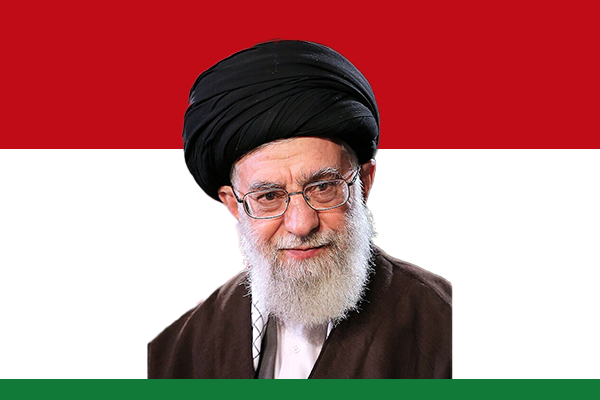
Early Life and Political Formation
Ali Khamenei entered the world on July 17, 1939, in Mashhad, a city known for its deep religious heritage. He grew up in a clerical family and embraced religious education from an early age. He pursued studies in Islamic jurisprudence and built intellectual connections with prominent scholars. As he matured, he actively engaged in opposition to the Pahlavi monarchy. He organized gatherings, delivered sermons, and encouraged resistance against political oppression. His activities eventually led to repeated arrests, but he continued contributing to the revolutionary movement that shaped Iran’s 1979 Islamic Revolution.
Role in the Islamic Revolution
When the revolution unfolded, Khamenei stepped into leadership roles with determination. He communicated revolutionary ideas to the public, strengthened networks among activists, and supported the formation of new political structures. After the establishment of the Islamic Republic, he took on responsibilities within the newly formed government. He joined the Islamic Revolutionary Guard Corps and served in various cultural and administrative positions, helping the new state stabilize during a turbulent period.
Presidency (1981–1989)
Iran elected Ali Khamenei as its third president in 1981, during a time of war and internal unrest. He approached the presidency with a focus on security, unity, and institutional development. During the Iran–Iraq War, he coordinated political strategies, supported military efforts, and worked to maintain public morale. He strengthened ties between the government and armed forces, emphasizing national defense and ideological consistency.
Khamenei also implemented policies that promoted economic resilience. He encouraged domestic production and oversaw initiatives that addressed wartime shortages. He communicated regularly with government departments and urged officials to act with discipline and dedication. Although Iran faced international pressure, he advocated self-reliance and encouraged the country to build domestic capacities.
His presidency reflected a blend of religious conviction and political pragmatism. He worked closely with Prime Minister Mir-Hossein Mousavi despite ideological differences, and together they emphasized stability throughout the conflict and its aftermath.
Transition to Supreme Leadership
After the death of Ayatollah Ruhollah Khomeini in 1989, Iran’s Assembly of Experts selected Ali Khamenei as Supreme Leader. He accepted the role and assumed responsibility for guiding the nation’s political, military, and religious institutions. As Supreme Leader, he strengthened the functions of the judiciary, consolidated oversight over the armed forces, and encouraged the growth of Iran’s scientific and technological sectors.
He delivered speeches that emphasized national sovereignty and Islamic values. He urged universities to expand research, encouraged industries to innovate, and supported initiatives that promoted economic independence. For decades, he has exercised authority over Iran’s strategic direction, shaping policies related to foreign relations, defense, and cultural identity.
Influence on Iranian Society and Governance
Khamenei continues to guide public discourse through addresses that focus on moral, social, and political themes. He encourages youth participation in education, science, and cultural development. Under his leadership, Iran expanded its scientific accomplishments, including advances in medicine, engineering, and nuclear technology.
He also emphasizes regional diplomacy. He supports alliances with neighboring states and promotes strategies that reflect Iran’s national interests. Through his guidance, government institutions navigate complex regional dynamics and pursue long-term goals.
Legacy and Continuing Impact
Ali Khamenei’s leadership spans decades, and his influence shapes Iran’s policies and identity. His journey from revolutionary activist to president and then to Supreme Leader reflects a continuous engagement with political, religious, and national responsibilities. He remains a central figure in Iran’s governance and continues directing the country’s strategic path.