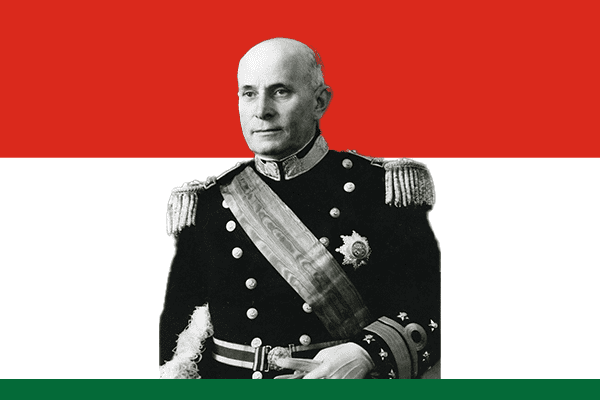
Early Life and Naval Career
Américo Tomás was born on November 19, 1894, in Lisbon, Portugal. He pursued a career in the navy and quickly distinguished himself through dedication and competence. Instead of remaining in minor roles, he actively advanced through the ranks and gained recognition for his leadership abilities.
He served in various naval positions and developed expertise in maritime affairs. His military background shaped his disciplined approach to leadership and governance. Over time, he built a reputation as a reliable and loyal officer, which later facilitated his transition into politics.
Entry into Politics
Tomás entered politics during the Estado Novo regime, a period marked by authoritarian rule and centralized power. He served as Minister of the Navy from 1944 to 1958, where he actively contributed to strengthening Portugal’s naval forces. His performance in this role earned him the trust of Salazar.
Rather than staying in a purely administrative position, he became an influential figure within the regime. In 1958, he ran for president and won the election, although the political environment limited genuine competition. His victory marked the beginning of a long presidency during a complex period in Portuguese history.
Presidency and Leadership
As president, Américo Tomás acted as a key supporter of the Estado Novo regime. While the constitution granted him formal authority, real power largely remained with the prime minister. However, he did not remain passive; he actively endorsed government policies and maintained stability within the system.
He worked closely with Salazar, supporting policies that emphasized order, nationalism, and colonial control. After Salazar’s illness in 1968, Tomás appointed Marcelo Caetano as prime minister, ensuring continuity in governance. This decision demonstrated his influence in critical political moments.
Challenges and Colonial Issues
During Tomás’s presidency, Portugal faced significant challenges, particularly related to its colonial empire. Independence movements in Africa intensified, leading to prolonged colonial wars in Angola, Mozambique, and Guinea-Bissau. Tomás supported the government’s efforts to maintain control over these territories.
Instead of pursuing rapid decolonization, the regime continued military campaigns, which placed economic and social strain on Portugal. These conflicts became a defining feature of his presidency and contributed to growing dissatisfaction among the population and the military.
Fall from Power
Américo Tomás’s presidency ended with the Carnation Revolution, a peaceful military coup that overthrew the Estado Novo regime. The revolution marked a turning point in Portuguese history, leading to the establishment of democracy.
Following the revolution, Tomás went into exile in Brazil. His removal from power symbolized the end of authoritarian rule in Portugal. Despite his long tenure, the new political order rejected the النظام he had supported.
Legacy and Historical Significance
Américo Tomás remains a controversial figure in Portuguese history. Supporters view him as a stable leader who ensured continuity during challenging times, while critics associate him with authoritarianism and resistance to democratic change.
He actively upheld the النظام of the Estado Novo and played a crucial role in its final phase. His presidency illustrates the complexities of leadership within an authoritarian system and highlights the tensions between stability and reform.
Conclusion
Américo Tomás played a significant role in Portugal’s 20th-century history as its last long-serving president under authoritarian rule. Through active support of the regime and involvement in key decisions, he shaped the country’s political trajectory. His legacy continues to spark debate, reflecting the broader historical transformation of Portugal.