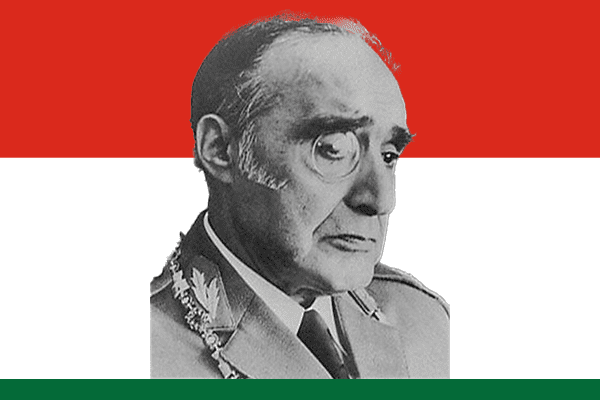
Early Life and Military Career
António de Spínola was born on April 11, 1910, in Estremoz, Portugal. He pursued a military career from a young age and quickly distinguished himself as a capable and disciplined officer. Instead of remaining in routine service, he actively sought leadership roles and gained recognition for his strategic thinking.
During Portugal’s colonial wars in Africa, particularly in Guinea-Bissau, he served as a governor and military commander. He implemented reforms aimed at improving local governance and reducing conflict. His experiences in Africa shaped his views on colonial policy, leading him to question Portugal’s continued involvement in costly overseas wars.
Role in the Carnation Revolution
Spínola emerged as a key figure in the events leading up to the Carnation Revolution of 1974. He openly criticized the Estado Novo regime, which had ruled Portugal for decades under authoritarian leadership. His book, Portugal and the Future, challenged government policies and called for political change.
Rather than staying silent, Spínola actively supported reformist ideas within the military. When the revolution began on April 25, 1974, military forces overthrew the dictatorship with minimal violence. Spínola became a prominent public figure during this transition and gained widespread attention as a symbol of change.
Presidency of Portugal
Following the revolution, António de Spínola assumed the presidency in May 1974. As president, he worked to stabilize the country and guide it toward democratic governance. He promoted a moderate approach, advocating gradual political reform instead of rapid radical change.
However, he faced strong opposition from more radical factions within the military and political movements. These groups pushed for faster decolonization and more extensive social reforms. Spínola struggled to balance these competing demands and maintain political stability.
Instead of consolidating power, he encountered increasing resistance. By September 1974, he resigned from the presidency after losing support among key political forces.
Later Life and Political Activities
After stepping down, Spínola remained involved in political affairs, although his influence declined. He opposed the growing leftist direction of the Portuguese government and became associated with conservative resistance movements. At one point, he went into exile due to political tensions.
Despite these challenges, he later returned to Portugal and gradually withdrew from active politics. Over time, public perception of Spínola evolved, with many recognizing his role in initiating change, even if his vision differed from the eventual outcome.
Legacy and Historical Significance
António de Spínola left a complex legacy in Portuguese history. He actively contributed to the سقوط of authoritarian rule and helped open the path toward democracy. At the same time, his disagreements with revolutionary forces highlighted the challenges of political transition.
His leadership during a critical moment ensured that Portugal avoided prolonged conflict and moved toward a new political system. Although he did not remain in power long, his actions influenced the direction of the nation.
Conclusion
António de Spínola stands as a significant figure in Portugal’s modern history. Through active leadership and bold decisions, he contributed to the transformation of the country’s political landscape. His role in the Carnation Revolution and his brief presidency continue to shape discussions about leadership, reform, and democratic change.