Mr. Bernardino Machado
In Office: 11 December 1925 – 31 May 1926
5 October 1915 – 5 December 1917
Political Party: Portuguese Republican Party
Home state: Rio de Janeiro
Lifespan: 1851–1944
Country: Portugal
Image credit available here.
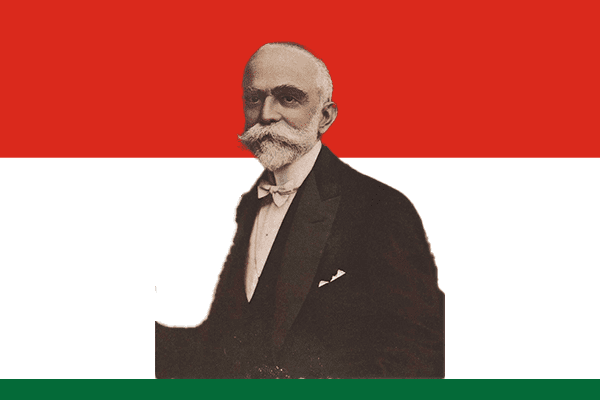
Early Life and Education
Bernardino Machado was born on March 28, 1851, in Rio de Janeiro, Brazil, to Portuguese parents. Although he was born abroad, his family soon returned to Portugal, where he was raised and educated. He pursued higher education at the University of Coimbra, one of the country’s most prestigious institutions. There, he studied philosophy and mathematics, developing a strong academic foundation.
Rather than remaining solely in academic circles, he actively engaged in intellectual and political discussions. He later became a professor at the university, where he influenced students and promoted progressive ideas. His early academic career helped shape his views on governance, education, and social reform.
Entry into Politics
Machado entered politics during a period when Portugal was still a monarchy. Initially, he supported constitutional monarchy, but he gradually shifted toward republicanism as he recognized the need for broader political reform. He actively participated in movements that advocated for democratic governance and civil liberties.
After the establishment of the Portuguese Republic in 1910, Machado took on important governmental roles. He served as Minister of Foreign Affairs and later as Prime Minister. Instead of adopting a passive role, he contributed actively to shaping the policies of the new republic and strengthening its institutions.
First Presidency (1915–1917)
In 1915, Bernardino Machado was elected President of Portugal for the first time. During his presidency, he faced significant political instability, including conflicts between different republican factions. Despite these challenges, he worked to maintain order and promote democratic governance.
He supported Portugal’s involvement in World War I, believing it would strengthen the country’s international position. However, internal divisions and political unrest created difficulties for his administration. In 1917, a military coup led by Sidónio Pais forced him to leave office and go into exile.
Exile and Return
After losing power, Machado spent several years in exile, primarily in France. During this period, he continued to advocate for republican ideals and remained engaged in political discussions. Rather than withdrawing from public life, he stayed committed to Portugal’s democratic future.
Following the assassination of Sidónio Pais and subsequent political changes, Machado returned to Portugal. His resilience and dedication to public service enabled him to re-enter the political arena.
Second Presidency (1925–1926)
In 1925, Bernardino Machado was elected President for a second time. He once again attempted to stabilize the political system and strengthen democratic institutions. However, the country continued to experience instability and unrest.
In 1926, another military coup overthrew the republic and ended his presidency. This event marked the beginning of a long period of authoritarian rule in Portugal. Machado was forced into exile once more, demonstrating the turbulent nature of Portuguese politics during that era.
Legacy and Significance
Bernardino Machado’s legacy lies in his commitment to republicanism and democratic principles. He played a crucial role in the early development of the Portuguese Republic and worked tirelessly to promote education, civic responsibility, and political reform.
Despite facing repeated challenges, including exile and political upheaval, he remained dedicated to his ideals. His active involvement in shaping Portugal’s political landscape earned him recognition as one of the key figures of his time.
Conclusion
Bernardino Machado’s life reflects perseverance, leadership, and a strong commitment to democratic values. Through active participation in politics and education, he contributed significantly to Portugal’s history. His legacy continues to influence discussions about democracy and governance in the country.