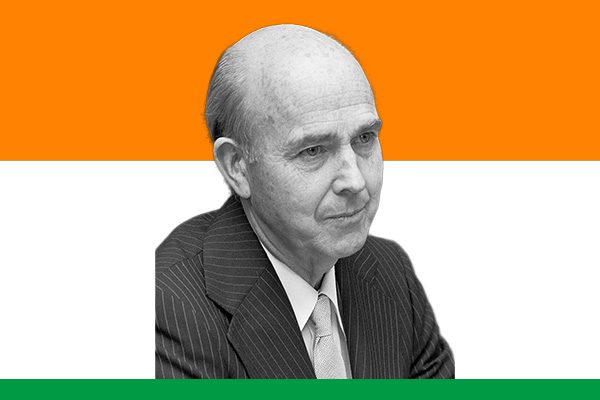
Early Life and Education
Cearbhall Ó Dálaigh was born on February 12, 1911, in Bray, County Wicklow, Ireland. From a young age, he showed a strong interest in Irish culture, language, and education. He studied at University College Dublin and later trained as a barrister at King’s Inns in Dublin.
During his youth, Ireland experienced political change and national struggle. These events inspired Ó Dálaigh to participate actively in public affairs. He developed a strong respect for Irish independence and constitutional law, which shaped his future career.
Legal Career
Ó Dálaigh quickly established himself as a talented lawyer. In 1941, he became the youngest Attorney General of Ireland at the age of thirty. He advised the Irish government on important constitutional matters and gained recognition for his sharp legal mind.
Later, he served as a judge on the Supreme Court of Ireland and eventually became Chief Justice. His judgments reflected fairness, independence, and careful interpretation of the law. He believed that courts should protect citizens’ rights and maintain the balance of democracy.
His expertise extended beyond Ireland. Ó Dálaigh also served as a judge at the European Court of Justice, where he contributed to the development of European legal cooperation. Through these roles, he strengthened Ireland’s reputation in international law.
Presidency of Ireland
In 1974, Cearbhall Ó Dálaigh became President of Ireland after the resignation of President Erskine Childers. As president, he worked to uphold the dignity of the office and protect constitutional principles. He approached his duties with honesty, intelligence, and independence.
One of the most important events during his presidency involved the government’s Emergency Powers Bill in 1976. Concerned about constitutional issues, Ó Dálaigh referred the bill to the Supreme Court for review. He believed that the Constitution required careful protection, especially during times of political tension.
Although the Supreme Court approved the bill, some government members criticized his decision. A political controversy followed after a minister made insulting remarks about the president. Ó Dálaigh viewed the incident as an attack on the dignity of the presidency and decided to resign in October 1976.
Resignation and Public Reaction
Ó Dálaigh’s resignation shocked many people in Ireland. Citizens and political leaders respected him for standing by his principles. He believed that the presidency should remain above political conflict and maintain its honor.
Many historians consider his resignation a powerful example of integrity and constitutional responsibility. Instead of remaining silent, he defended the independence of the office and the rule of law. His actions highlighted the importance of respect between government institutions.
Legacy and Contributions
Cearbhall Ó Dálaigh left a lasting legacy in Ireland’s legal and political history. He strengthened public understanding of constitutional rights and judicial independence. His career demonstrated how leaders can protect democracy through honesty and courage.
Today, many people remember him as one of Ireland’s finest legal minds. His dedication to justice continues to inspire lawyers, judges, and political leaders. Even though his presidency was brief, his commitment to democratic values made a lasting impact on Irish society.
Conclusion
Cearbhall Ó Dálaigh played a major role in shaping modern Ireland through his legal expertise and public service. As a lawyer, judge, and president, he actively defended constitutional principles and democratic traditions. His life showed the importance of integrity, courage, and respect for justice. Through his contributions, he earned a respected place in Irish history.