Mr. Choi Kyu-hah
In Office: December 6, 1979 – August 16, 1980
Political Party: Independent
Home State: Wonju
Lifespan: 1919–2006
Country: South Korea
Image credits available here.
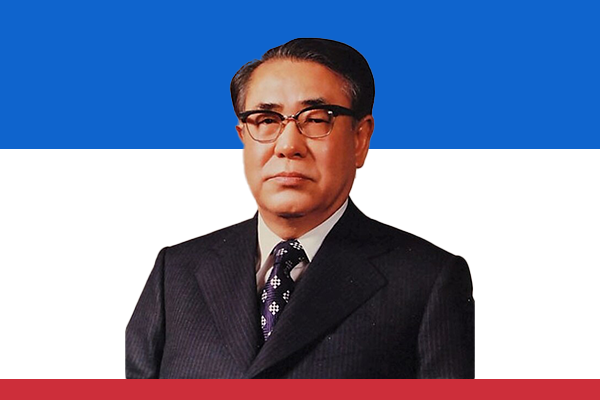
Early Life and Academic Foundations
Choi Kyu-hah was born on July 16, 1919, in Wonju, Gangwon Province. He grew up in a period marked by Japanese colonial rule, and this environment shaped his awareness of administration, discipline, and diplomacy. He pursued education with determination and earned a degree in education from Seoul National University. Choi later expanded his expertise by studying in the United States, where he learned modern administrative practices. His academic foundation gave him both intellectual depth and diplomatic clarity, qualities that later defined his political life.
Diplomatic Career and Entry into Politics
Choi entered public service with a focus on diplomacy. He joined the Ministry of Foreign Affairs and quickly built a reputation for calm negotiation and strategic communication. The government recognized his capabilities and appointed him ambassador to Malaysia. In this role, he strengthened bilateral ties and promoted South Korea’s image abroad. Choi’s diplomatic success opened the door to higher responsibilities, and the administration later appointed him Foreign Minister. In this position, he represented South Korea on major international platforms and defended national interests with measured but firm leadership.
Rise to the Presidency
Political turbulence shook South Korea in the late 1970s. After President Park Chung-hee’s assassination in October 1979, the government needed a stabilizing figure, and the National Assembly elected Choi Kyu-hah as acting president. His reputation as a calm and neutral administrator convinced leaders that he could guide the nation through crisis. In December 1979, Choi won the presidency through the indirect electoral process then used in South Korea. He entered office with the goal of restoring democratic normalcy and easing public anxieties.
Efforts to Restore Stability
Choi moved quickly to reduce political tension. He promised reforms, encouraged a more open political atmosphere, and attempted to limit military influence in state affairs. He called for national unity and urged political groups to cooperate for South Korea’s future. Choi formed a new cabinet and replaced several controversial officials. He also authorized public discussion on democratic reforms, believing that open communication could rebuild trust between citizens and the government.
However, despite his intentions, South Korea remained unstable. Various groups pushed for rapid democratization, while the military asserted its authority. Choi tried to balance both sides, but the situation grew more complex.
Military Intervention and Diminished Authority
General Chun Doo-hwan and his faction strengthened their influence within the military. As they expanded control, Choi’s authority weakened. He attempted to restrain military intervention, but his efforts failed against the momentum of an organized power structure. When the military leadership placed key institutions under its control, Choi found himself increasingly sidelined.
Choi continued to call for peaceful transition and civilian leadership, but the political tide moved against him. He faced mounting pressure from reformists, the public, and the military, leaving him with limited options.
Resignation and Later Life
In August 1980, Choi Kyu-hah resigned from the presidency. His departure marked the end of his attempt to restore democracy through gradual and peaceful reform. After leaving office, he withdrew from politics and lived quietly, avoiding public disputes and discussions. He passed away on October 22, 2006.
Legacy and Historical Significance
Historians view Choi Kyu-hah as a transitional leader who acted with sincerity but faced overwhelming political forces. He valued diplomacy, moderation, and negotiation, and he worked for stability during one of the most difficult chapters of South Korean history. While his presidency was short and constrained, his respectful leadership style and commitment to peaceful governance left a dignified legacy.