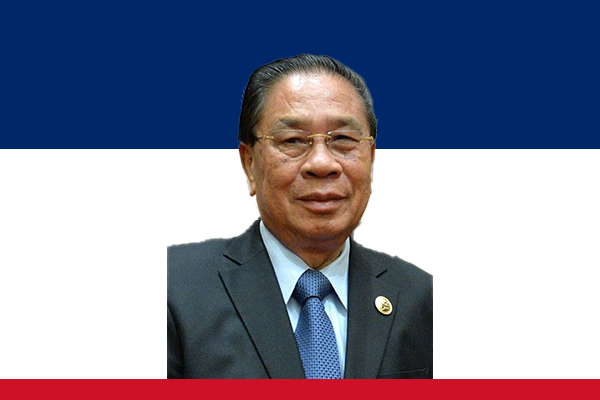
Early Life and Education
Choummaly Sayasone was born on 6 March 1936 in Huaphanh Province, a region historically significant to the Lao revolutionary movement. Growing up during colonial rule and political struggle deeply influenced his worldview. At a young age, he became involved in revolutionary activities associated with the Pathet Lao movement. He later received political and military training, which prepared him for leadership roles within the party and the armed forces. His early exposure to ideological education shaped his disciplined and loyal approach to governance.
Military Career and Rise in Politics
Sayasone began his career in the revolutionary armed forces, where he steadily rose through the ranks. He gained recognition for his organizational skills and loyalty to the party leadership. After the establishment of the Lao People’s Democratic Republic in 1975, he continued to advance within the military structure. He eventually became Minister of National Defence, a position that enhanced his influence within both the military and the political system. His military background contributed to his reputation as a strong and steady leader.
Role in the Lao People’s Revolutionary Party
Choummaly Sayasone held several senior positions within the Lao People’s Revolutionary Party, which is the central institution of political power in Laos. He served as a member of the Politburo and later became General Secretary of the party. In this role, he focused on maintaining party unity, ideological consistency, and political stability. His leadership emphasized collective decision-making and adherence to socialist principles while cautiously engaging with economic reforms introduced earlier.
Presidency of Laos
Choummaly Sayasone became President of the Lao People’s Democratic Republic in 2006. As President, he also served as the ceremonial head of state while continuing to exert influence through his party leadership. His presidency was marked by continuity rather than radical change. He supported gradual economic development, regional cooperation, and strong relations with neighboring countries. He also emphasized national unity, internal security, and the role of the party as the guiding force of the state.
Governance and Leadership Style
Sayasone was known for a reserved and disciplined leadership style. He avoided populist rhetoric and instead focused on institutional stability and long-term planning. His governance reflected the collective leadership model of Laos, where decisions are shaped by party consensus rather than individual authority. He prioritized political order, social harmony, and cautious engagement with globalization while safeguarding national sovereignty.
Later Years and Legacy
Choummaly Sayasone stepped down from his top leadership roles in the mid-2010s, making way for a new generation of leaders within the party. His legacy is closely tied to stability and continuity in Lao politics. Supporters view him as a guardian of socialist principles and national unity, while critics note the limited pace of political reform during his tenure. Nevertheless, his long service left a lasting imprint on Laos’s political institutions.
Conclusion
President Choummaly Sayasone remains an important figure in the modern political history of Laos. Through decades of service as a military leader, party official, and head of state, he contributed to shaping the country’s governance framework. His leadership symbolized continuity, discipline, and commitment to party ideology during a crucial phase of Laos’s development.