Mr. Christos Sartzetakis
In Office: 30 March 1985 – 5 May 1990
Political Party: Independent
Home State: Thessaloniki
Lifespan: 1929–2022
Country: Greece
Image credits available here.
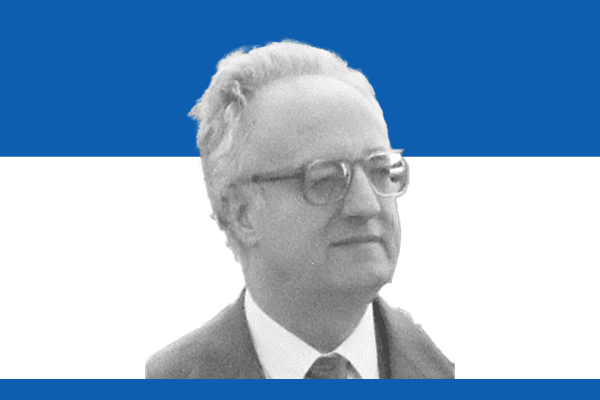
Early Life and Education
Christos Sartzetakis was born on December 6, 1929, in Thessaloniki, Greece. He pursued legal studies at the Aristotle University of Thessaloniki, where he developed a strong foundation in law and justice. After completing his education, he entered the judicial service and quickly established himself as a capable and determined magistrate.
Instead of following a passive career path, he actively engaged with complex legal cases and demonstrated a commitment to fairness. His early work reflected a deep respect for the rule of law and the protection of civil liberties.
Judicial Career and the Lambrakis Case
Sartzetakis gained national and international attention during his investigation of the assassination of Grigoris Lambrakis in 1963. As an examining magistrate, he led the inquiry with determination and independence. Despite intense political pressure and attempts to obstruct justice, he pursued the truth and uncovered evidence linking the crime to elements within the state apparatus.
He did not yield to intimidation; instead, he actively exposed wrongdoing and defended judicial integrity. His work inspired the story behind the famous film Z, which brought global attention to the case and the challenges faced by those seeking justice in politically charged environments.
Persecution and Resistance
During the military junta that ruled Greece from 1967 to 1974, Sartzetakis faced persecution because of his commitment to democratic principles. Authorities arrested and imprisoned him, subjecting him to harsh treatment. However, he did not abandon his principles. Instead, he resisted oppression and maintained his dedication to justice and democracy.
His resilience during this period strengthened his reputation as a symbol of integrity. After the restoration of democracy, he returned to public life and continued to contribute to the legal and political landscape of Greece.
Presidency of Greece
In 1985, the Greek Parliament elected Christos Sartzetakis as President of the Hellenic Republic. During his presidency, he actively represented the unity of the nation and upheld constitutional values. Although the role of the president in Greece is largely ceremonial, he carried out his duties with seriousness and dignity.
He promoted national cohesion and emphasized respect for democratic institutions. Rather than remaining a passive figurehead, he engaged with public issues and highlighted the importance of justice, accountability, and transparency.
Leadership Style and Legacy
Sartzetakis led with a strong sense of duty and moral clarity. He consistently demonstrated independence and refused to compromise his principles. His leadership style reflected discipline, integrity, and a deep respect for the law.
His legacy rests on his contributions to the Greek judiciary and his role as a defender of democracy during challenging times. He inspired future generations of legal professionals and public servants to uphold ethical standards and resist injustice.
Personal Life
Christos Sartzetakis maintained a relatively private personal life. He focused primarily on his professional responsibilities and public service. His life story reflects a commitment to justice rather than personal recognition.
Conclusion
Christos Sartzetakis stands as a significant figure in modern Greek history. Through active leadership and unwavering integrity, he defended democratic values and strengthened public trust in institutions. His work as a judge and president continues to serve as an example of courage and responsibility in public life.