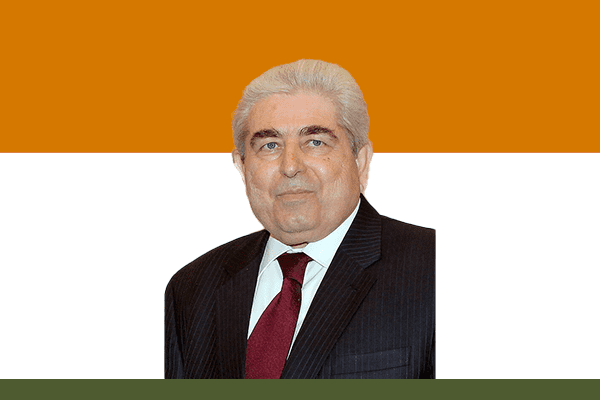
Mr. Demetris Christofias
In Office: 28 February 2008 – 28 February 2013
Political Party: AKEL
Home State: Kato Dikomo
Lifespan: 1946–2019
Country: Cyprus
Image credits available here.
Early Life and Education
Demetris Christofias was born on August 29, 1946, in the village of Kato Dikomo, Cyprus. He grew up in a working-class family, and those early experiences shaped his lifelong political beliefs. From a young age, he understood the struggles of ordinary people and developed sympathy for laborers and farmers. His humble background helped him connect with the needs of common citizens throughout his career.
He later studied in the Soviet Union, where he attended the Institute of Social Sciences in Moscow. During his time there, he deepened his understanding of political theory, economics, and international relations. His education abroad strengthened his ideological commitment to leftist politics and prepared him for a long future in public life.
Political Career
Demetris Christofias became active in politics through youth and student movements. He joined AKEL, one of the most influential political parties in Cyprus, and gradually rose through its ranks. His dedication, organizational skills, and public speaking made him a respected leader inside the party.
In 1988, he became the General Secretary of AKEL, a position he held for many years. Under his leadership, the party strengthened its influence in Cypriot politics and remained a major force in parliament. Christofias promoted policies that supported workers, education, healthcare, and social welfare. He consistently argued that the state should protect vulnerable citizens and reduce social inequality.
He also served as a member of the House of Representatives. In 2001, he became President of the House of Representatives, which further increased his national profile. This role allowed him to demonstrate leadership, negotiation, and parliamentary experience before running for the presidency.
Presidency of Cyprus
In 2008, Demetris Christofias won the presidential election and became President of Cyprus. His victory marked a historic moment because he became the first communist leader to hold the office in Cyprus and in the European Union. Many supporters viewed his election as a sign of political change and hope for a fairer society.
During his presidency, Christofias focused strongly on the Cyprus reunification talks. He worked with Turkish Cypriot leaders to seek a peaceful settlement to the long-standing division of the island. He believed that dialogue, compromise, and mutual respect offered the best path toward reunification. Although he did not achieve a final agreement, he kept negotiations active and showed willingness to pursue peace.
His administration also faced major economic difficulties. The global financial crisis affected Cyprus severely, and the country later entered a serious banking and debt crisis. These problems damaged public confidence in his government. In addition, the 2011 naval base explosion at Mari caused a national tragedy and led to heavy criticism of his leadership.
Legacy and Death
Demetris Christofias remained an important figure in Cypriot politics even after leaving office in 2013. Supporters remembered him as a principled leader who defended workers and promoted peace. Critics blamed him for economic mismanagement and weak crisis response. Even so, his presidency represented a historic turning point in Cyprus.
He died on June 21, 2019, in Nicosia, Cyprus. His death marked the end of a major political era. Today, many people remember him for his strong ideological beliefs, his commitment to reunification, and his influence on left-wing politics in Cyprus.
Conclusion
President Demetris Christofias shaped Cyprus through conviction, reformist ideas, and determined leadership. His life and presidency remain central to understanding the country’s modern political history.