Mr. Deodoro da Fonseca
In Office: 25 February 1891 – 23 November 1891
Political Party: Unaffiliated
Home State: Marechal Deodoro
Lifespan: 1827–1892
Country: Brazil
Image credits available here.
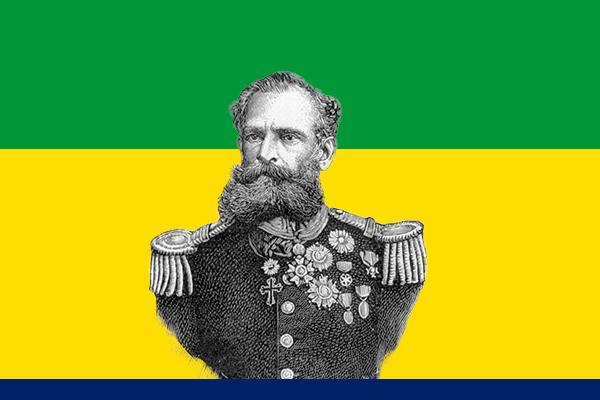
Early Life and Military Career
Manuel Deodoro da Fonseca was born on August 5, 1827, in Alagoas, Brazil. He grew up in a family that valued honor, discipline, and service. Inspired by his father’s military background, Fonseca joined the army at an early age and quickly demonstrated courage and leadership. He participated in several military campaigns, including the Paraguayan War, where he earned a reputation as a brave and strategic commander.
As he rose through the ranks, Fonseca gained respect from his peers and superiors. His strong sense of duty and patriotism guided him through decades of service. By the late 19th century, he had become one of Brazil’s most prominent military figures, admired for his integrity and commitment to national unity.
Leadership in the Republican Movement
During the late 1880s, Brazil faced political unrest and growing dissatisfaction with the monarchy. The abolition of slavery in 1888 weakened Emperor Dom Pedro II’s support among landowners and military officers. Many Brazilians began demanding a republican form of government. Fonseca, once loyal to the emperor, gradually aligned himself with the reformists who wanted to modernize Brazil’s political system.
Recognizing the urgency for change, Fonseca took a leading role in the republican movement. He mobilized the army and planned a peaceful coup to end the monarchy. On November 15, 1889, he led his troops in Rio de Janeiro and declared the establishment of the Republic of Brazil. The emperor went into exile, and Brazil transitioned into a new era without bloodshed. Fonseca’s decisive leadership turned a movement into a successful revolution.
Presidency and Reforms
After the proclamation of the republic, Deodoro da Fonseca assumed the position of provisional president. He focused on stabilizing the new government and building the institutions necessary for a republican state. He reorganized the administrative structure, encouraged modernization, and sought to strengthen the country’s independence from old colonial influences.
In 1891, the newly formed National Congress elected Fonseca as Brazil’s first constitutional president. He championed a new constitution that established the separation of powers and expanded civil rights. His government prioritized economic development, infrastructure, and national security. Fonseca aimed to transform Brazil into a modern nation capable of competing globally.
However, his administration faced challenges. Economic difficulties, political disagreements, and opposition from Congress created instability. Fonseca’s strong military background often influenced his leadership style, leading him to favor decisive and authoritative measures. When Congress resisted his policies, he dissolved it, hoping to restore order and progress.
Resignation and Legacy
Fonseca’s decision to dissolve Congress in 1891 sparked political crisis and public unrest. Under growing pressure from the military and the public, he chose to resign from the presidency to prevent further bloodshed. His vice president, Floriano Peixoto, succeeded him and continued to shape the early republic.
After stepping down, Fonseca withdrew from political life and retired to private life. He passed away on August 23, 1892, leaving behind a legacy as the founder of the Brazilian Republic.
Conclusion
President Deodoro da Fonseca transformed Brazil’s destiny through his bold leadership and commitment to reform. He ended centuries of monarchy and opened a new chapter in Brazilian history based on republican ideals. Though his presidency faced turmoil, his vision and determination established the foundations of modern Brazil.