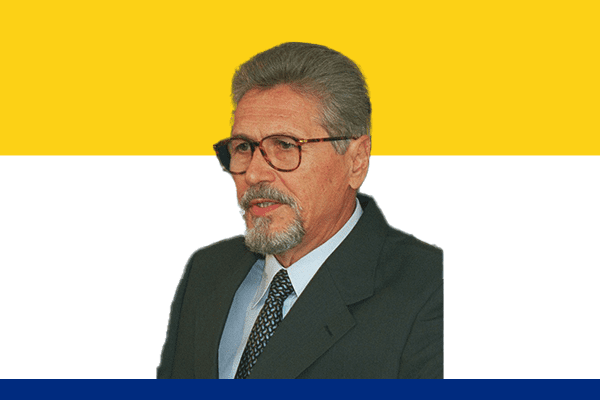
Early Life and Education
Emil Constantinescu was born on November 19, 1939, in Tighina, which was then part of Romania and is now located in Moldova. He pursued higher education with great commitment and built a strong academic career before entering politics. He studied geology at the University of Bucharest and later became a professor and rector there. His academic achievements earned him respect across Romania, and his work in science reflected discipline, intelligence, and leadership.
During the communist era, Constantinescu focused mainly on education and research. However, after the Romanian Revolution of 1989, he became more active in public life. He joined civic movements that supported democracy, transparency, and freedom. His involvement in these movements prepared him for a major role in national politics.
Political Rise
After the fall of Nicolae Ceaușescu’s regime, Romania entered a new democratic period. Emil Constantinescu emerged as one of the key opposition figures during this time. He became associated with the Romanian Democratic Convention (CDR), a coalition that challenged the former communist establishment. In the 1992 presidential election, he ran against Ion Iliescu but did not win. Even so, he gained national recognition and strengthened the democratic opposition.
In 1996, Constantinescu returned with a stronger campaign and defeated Ion Iliescu in the presidential election. His victory marked a historic turning point because it represented the first peaceful democratic transfer of power between opposing political groups in post-communist Romania. Many citizens saw him as a symbol of hope, reform, and honesty.
Presidency and Major Achievements
As president, Emil Constantinescu worked actively to move Romania closer to Europe and the West. He supported democratic reforms, anti-corruption efforts, and the restructuring of state institutions. His administration encouraged stronger relationships with the European Union and NATO, laying the groundwork for Romania’s future integration into both organizations.
Constantinescu also promoted freedom of expression and civil society. He tried to reduce the influence of old communist-era networks in government and public administration. Although he faced serious political resistance and economic difficulties, he continued to support reform policies.
His presidency took place during a challenging period. Romania struggled with inflation, unemployment, and public dissatisfaction over slow economic progress. Despite these difficulties, Constantinescu remained committed to democratic values and international cooperation. His government helped improve Romania’s image abroad and strengthened its position as a reliable partner in Europe.
Later Life and Legacy
After completing his presidential term in 2000, Emil Constantinescu stepped back from frontline politics. He chose not to run again under the same circumstances and later stated that entrenched systems had blocked many of his reforms. Even after leaving office, he remained active in academic, civic, and international initiatives. He continued to speak about democracy, education, peace, and regional cooperation.
Emil Constantinescu’s legacy rests on his role as a reform-minded leader during a sensitive period in Romania’s history. He did not solve every problem, but he helped deepen democracy and opened the path toward Euro-Atlantic integration. His leadership showed integrity, patience, and a clear commitment to national progress.
Conclusion
Emil Constantinescu stands out as a thoughtful and principled leader in modern Romanian history. As president—not prime minister—he guided Romania through political reform, democratic consolidation, and closer Western alignment. His academic background, civic spirit, and dedication to democratic ideals continue to define his place in the nation’s story.