Mr. Nicolae Ceaușescu
In Office: 28 March 1974 – 22 December 1989
Political Party: Romanian Communist Party
Home State: Scornicești
Lifespan: 1918–1989
Country: Romania
Image credits available here.
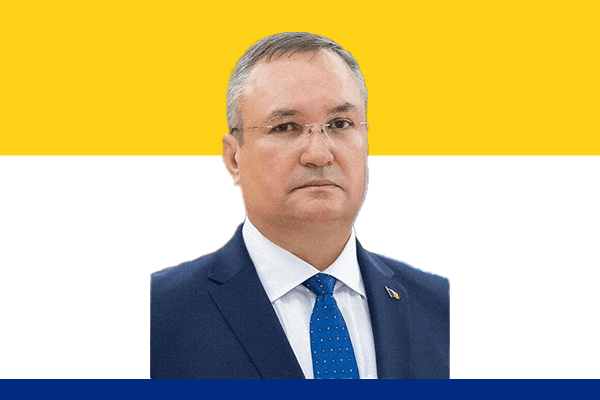
Early Life and Political Rise
Nicolae Ceaușescu was born on January 26, 1918, in the village of Scornicești in Romania. He grew up in a poor farming family and moved to Bucharest during his teenage years to work as a shoemaker’s apprentice. During this time, he became involved in communist activism and joined the Romanian Communist Party. His early political activities led to several arrests by Romanian authorities because the government considered the communist movement illegal.
Ceaușescu strengthened his political position after World War II, when communist influence increased in Romania with support from the Soviet Union. He steadily rose through the ranks of the Communist Party and developed close ties with leading party officials. By the 1960s, he had become one of the most powerful figures in Romanian politics.
Leadership and Governance
Nicolae Ceaușescu assumed leadership of Romania in 1965 after the death of party leader Gheorghe Gheorghiu-Dej. Soon after taking power, he promoted policies that emphasized Romanian independence from Soviet control. In 1968, he gained international recognition when he publicly criticized the Warsaw Pact invasion of Czechoslovakia. Many Western countries viewed him as a reform-minded communist leader, and Romania began to establish diplomatic relations with several Western nations.
During the early years of his rule, Ceaușescu expanded industrial development and launched ambitious modernization programs. He attempted to transform Romania into a self-sufficient industrial economy. However, many of these policies placed heavy pressure on the country’s financial resources. By the 1980s, strict austerity measures reduced food supplies, electricity usage, and living standards for ordinary citizens.
Authoritarian Rule and Personality Cult
Over time, Ceaușescu strengthened his personal control over the government and the Communist Party. He established an extensive security network through the secret police organization known as the Securitate. This institution monitored citizens, suppressed political opposition, and enforced strict censorship throughout the country.
Ceaușescu also developed a strong personality cult around himself and his wife, Elena Ceaușescu. State-controlled media portrayed them as visionary leaders who guided Romania toward progress and prosperity. Government propaganda promoted their images through speeches, public ceremonies, and national celebrations.
At the same time, Ceaușescu initiated massive construction projects in the capital city of Bucharest, including the enormous Palace of the Parliament. While these projects symbolized national pride and political authority, they required significant financial resources and caused widespread displacement of residents.
Fall of the Regime
Public dissatisfaction with Ceaușescu’s rule grew steadily during the late 1980s. Economic hardship, shortages of basic goods, and political repression fueled widespread anger. In December 1989, protests erupted in several Romanian cities, marking the beginning of the Romanian Revolution of 1989.
The demonstrations quickly escalated into a nationwide uprising against the communist government. Ceaușescu attempted to maintain control through public speeches and military force, but his authority collapsed as protests intensified. On December 22, 1989, he fled Bucharest with his wife but was captured shortly afterward.
A military tribunal tried Nicolae and Elena Ceaușescu on charges including corruption and abuse of power. The court convicted them and executed them on December 25, 1989. Their downfall ended decades of communist rule in Romania and marked a major turning point in the country’s modern history.
Conclusion
Nicolae Ceaușescu remains one of the most debated leaders in Romanian history. His early policies promoted national independence and industrial growth, but his later rule became synonymous with authoritarian control, economic crisis, and political repression. The dramatic end of his regime during the Romanian Revolution of 1989 demonstrated the deep dissatisfaction among Romanian citizens and opened the path toward democratic reforms in the country.