Mr. Francisco Guterres
In Office: 20 May 2017 – 20 May 2022
Political Party: Fretilin
Home State: Dili
Lifespan: born 1954
Country: Timor-Leste
Image credits available here.
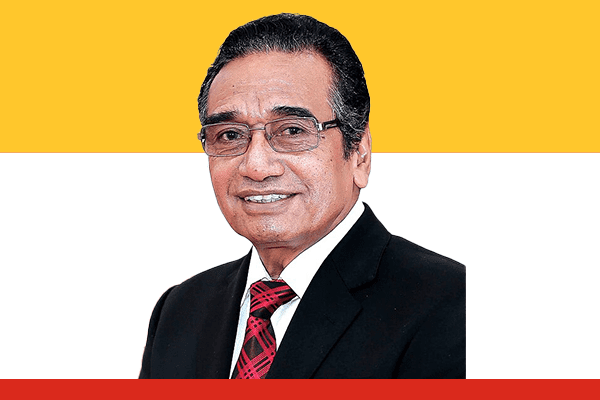
Francisco Guterres, popularly known as “Lú-Olo,” is a prominent political leader of East Timor (Timor-Leste) who served as the country’s president from 2017 to 2022. Born on September 7, 1954, in Ossu, Viqueque district, Guterres grew up during a time of colonial rule under Portugal. His early life was shaped by the political instability that surrounded East Timor in the 1970s. As a young man, he became actively involved in the struggle for independence, which would define much of his political career.
Guterres was a founding member of the Revolutionary Front for an Independent East Timor (FRETILIN), one of the main political parties advocating for independence from Portuguese colonial rule. In 1975, when Portugal began withdrawing from its colonies, East Timor declared independence. However, shortly afterward, Indonesia invaded and occupied the territory. During the long years of Indonesian occupation, Guterres played an important role in the resistance movement. He became a member of the Central Committee of FRETILIN and was involved in organizing and supporting the struggle for national liberation.
Throughout the occupation, the resistance movement faced severe repression, and many leaders were imprisoned or killed. Despite the dangers, Guterres remained committed to the cause of independence. His dedication and leadership earned him respect within FRETILIN and among the wider population. In 1998, as political changes occurred in Indonesia, the opportunity for East Timor’s self-determination emerged. In 1999, the people of East Timor voted overwhelmingly for independence in a United Nations–supervised referendum. This historic vote eventually led to full independence in 2002.
After independence, Guterres transitioned from resistance leader to statesman. He served as President of the National Parliament from 2002 to 2007, playing a crucial role in establishing the country’s legislative framework. During this period, East Timor faced significant challenges, including political instability and economic hardship. Guterres worked to strengthen democratic institutions and promote dialogue among political factions. His leadership style was often described as calm and consensus-oriented, reflecting his long experience in the struggle for unity.
In 2017, Guterres was elected President of East Timor as the candidate of FRETILIN. As president, he held a largely ceremonial but influential role within the semi-presidential system of government. He focused on national unity, political stability, and strengthening democratic governance. One of his key responsibilities was overseeing the formation of governments during periods of political deadlock. East Timor experienced several parliamentary disputes and early elections during his presidency. Guterres exercised his constitutional powers carefully, aiming to maintain stability while respecting democratic processes.
During his term, he emphasized the importance of youth development, education, and economic diversification. East Timor’s economy relies heavily on oil and gas revenues, and Guterres supported efforts to develop other sectors such as agriculture, tourism, and small enterprises. He also advocated for anti-corruption measures and transparent governance, recognizing that building public trust was essential for a young democracy.
On the international stage, Guterres represented East Timor in regional and global forums. He supported closer ties with the Association of Southeast Asian Nations (ASEAN), as East Timor sought full membership in the regional bloc. He also maintained strong diplomatic relations with Portugal, Indonesia, Australia, and other neighboring countries, highlighting reconciliation and cooperation rather than past conflict.
Although he lost his bid for re-election in 2022, Guterres remains a respected figure in East Timorese politics. His journey from resistance fighter to head of state symbolizes the broader history of East Timor’s struggle for freedom and nation-building. Francisco Guterres’ leadership reflects dedication to independence, democracy, and national unity. His contributions continue to shape the political and institutional foundations of Timor-Leste, ensuring that the sacrifices of the past contribute to a stable and democratic future.